

×
ADVERTISEMENT

DECEMBER 21, 2022

Evidence Suggests Connection Between Infection And Increased Pain Sensitivity in Neonates

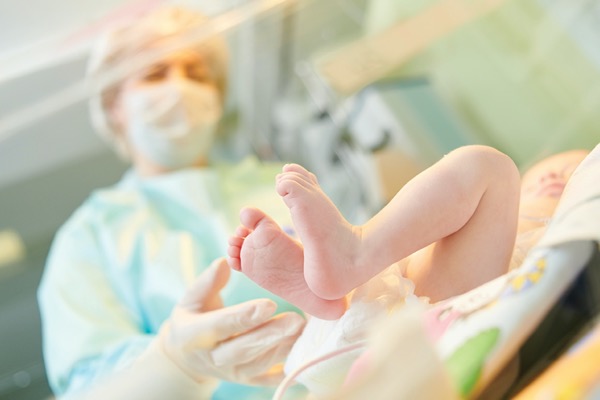
Data from a new study indicate that neonates suffering from infection experience modulated nociceptive processing and distinct neurologic microstates compared with a control group. Furthermore, responses to noxious stimuli remained modulated in neonates whose infections resolved.

Seven microstates were identified that explained 84.83% and 90.98% of the variance in the response following the noxious stimuli in neonates with a current (and controls) and resolved (and controls) infection,

Data from a new study indicate that neonates suffering from infection experience modulated nociceptive processing and distinct neurologic microstates compared with a control group. Furthermore, responses to noxious stimuli remained modulated in neonates whose infections resolved.

Seven microstates were identified that explained 84.83% and 90.98% of the variance in the response following the noxious stimuli in neonates with a current (and controls) and resolved (and controls) infection, respectively. Of the microstates common to the current infection and control groups, 75% were engaged to a greater degree in study participants with an infection.

“Following a clinical ly required painful blood test, babies with an ongoing infection had increased brain activity compared to age- and sex-matched controls with no experience of infection. They also had unique brain activity compared to the controls, suggesting that their brains are processing the stimulus differently,” said Laura Jones, PhD, a neuroscientist at University College , London and co-author of the study. The findings were presented at the 2022 International Association for the Study of Pain Conference in Toronto, (abstract PTU284).

“On the other hand, babies who no longer have an infection do not have increased brain activity, so the potential sensitization has resolved. However, they continue to exhibit unique brain activity compared to controls, indicating that the effect on how the brain handles the noxious stimulus outlasts the infection,” she said. “This may mean that infection during a painful experience rewires brain circuits responsible for pain processing, leading to these long-term changes.”

The research was prompted by knowledge that the immune and neurologic systems interact in adults, with infection often causing an increase in pain. These two systems develop independently and are not fully formed in infants. This fact, in conjunction with neonates’ inability to verbally communicate pain, meant the effect of infection on nociceptive processing in neonates was poorly understood.

The study conducted at University College London Hospitals included 29 preterm neonates (29 to 37 weeks postmenstrual age, 2 to 86 days postnatal age, 48% female). Following a clinically required noxious stimulus, a blood test induced with a heel lance was performed. Whole-head (18 channel) electroencephalography was used to assess the sequential activation of cortical networks in the one-second epoch post-stimulus. The study included two experimental groups, neonates with a current infection at the time of the study and those with a resolved infection, and two control groups (age- and sex- matched neonates with no experience of infection).

Lorenzo Fabrizi, PhD, a neuroscientist from University College London who also worked on the study, explained the results. “There is a possible clinical implication here. Doctors should be aware that noxious interventions during an infection may have a strong and possibly lasting impact on infants at this age. Therefore, it would make sense to wait for an infection to be resolved, if possible, before any noxious procedure is performed.”

He continued by saying that “in order to confirm these results, we need to collect more data from more subjects. It will be ideal to monitor the patients and see if this interaction between the patients’ nociceptive system and immune system extends into adulthood.”

Stefan Friedrichsdorf, MD, the chief of the Division of Pediatric Pain Medicine at the UCSF Benioff Children’s Hospitals in Oakland and San Francisco, who was not associated with the study, agreed with Fabrizi.

“What this particular poster gives us is the ability to postulate that if babies or premature infants have an infection, they are hypersensitized to pain,” he said. “So, clinicians should be even more careful in avoiding unnecessary painful procedures, like multiple foot lance pokes. The extra sensitization to pain in babies who had an infection, compared to those who did not have an infection, did not go away. This could be the first step of explaining why kids who experienced painful events as infants have higher analgesic requirements and lowered pain thresholds; display reduced early body growth and head circumference; show higher pain self-ratings during venipuncture at school age; display poorer cognition and motor function associated with higher number of skin-breaking procedures; and are more likely to develop chronic pain, anxiety and depression five, 10 or 15 years after infancy.

Friedrichdorf said that “less invasive, cutaneous methods for taking blood gases, using smaller and finer needles after massage, and development of better pain plans in neonatal intensive care units are strategies that could help avoid the serious and long-term effects of causing neonates pain during periods of infection.”

—Myles Starr


The researchers reported no relevant financial disclosures.

Related Keywords