×
ADVERTISEMENT

JANUARY 30, 2024

Identifying Pathways of Arthritic Disease May Lead to New Treatments

Researchers have found that patients diagnosed with rheumatoid arthritis have heterogeneity in the mechanisms that cause tissue inflammation and resulting pain, according to a recent study.

Although millions of people around the globe suffer from rheumatoid arthritis, what exactly causes the disease is unknown and limits doctors’ ability to treat the disease precisely and effectively.

{ARTICLE-AD}

“This has implications for clinical prognosis, and possibly for treatment,” study


Researchers have found that patients diagnosed with rheumatoid arthritis have heterogeneity in the mechanisms that cause tissue inflammation and resulting pain, according to a recent study.

Although millions of people around the globe suffer from rheumatoid arthritis, what exactly causes the disease is unknown and limits doctors’ ability to treat the disease precisely and effectively.

“This has implications for clinical prognosis, and possibly for treatment,” study investigator Soumya Raychaudhuri, MD, PhD, the director for the Center for Data Sciences at Harvard Medical School, in Boston, told Pain Medicine News. “It may be the case that different types of inflammation respond differently to specific immunomodulatory therapies.”
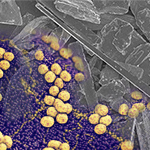
Researchers collected cells from the lining of joints (synovial tissue) in 79 adult patients with rheumatoid arthritis (Nature 2023;623[7987]:616-624). Analysis of single-cell RNA sequencing and surface protein data in conjunction with the histologic specimens from study participants enabled the researchers to build a single-cell atlas of rheumatoid arthritis synovial tissue, which included more than 314,000 cells.

The atlas helped the investigators identify six different cell-type abundance phenotypes (CTAPs) among the study cohort. Each CTAP was characterized by specific biomarkers, for example, increased T and B cells, or a reduction in lymphocytes. Furthermore, disease-relevant cell states, cytokines, risk genes, histology and serology metrics were associated with each CTAP.

“Most intriguing is CTAP-F, which is dominated by fibroblasts,” Raychaudhuri said. “Individuals with CTAP-F may be less responsive to therapy and may benefit from novel therapeutics.”

The investigators noted that the mapping of CTAPs may help identify possible targets for new arthritis treatments and explain why treatments that work in some patients fall short in others.

—Myles Starr

Raychaudhuri reported that he is the founder of Mestag Therapeutics, a scientific advisor for Janssen and Pfizer, and a consultant to Gilead and Rheos Medicines.


Related Keywords