

×
ADVERTISEMENT

NOVEMBER 27, 2023

Can Measuring Patients’ Biological Age Predict Chronic Low Back Pain?

A recent study has found that individuals who are aging at a faster pace biologically are more likely to have more severe pain and pain-related disability.

The study enrolled 118 participants aged 18 to 85 years, 69 of whom were diagnosed with chronic low back pain (cLBP); 49 were pain-free (J Pain 2023 Oct 30. doi:10.1016/j.jpain.2023.10.018). Biological age was defined by researchers as the gradual multisystem decline in physiologic function due to the accumulation of damage to the body in
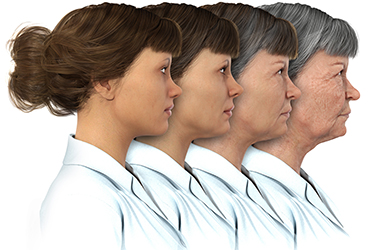

A recent study has found that individuals who are aging at a faster pace biologically are more likely to have more severe pain and pain-related disability.

The study enrolled 118 participants aged 18 to 85 years, 69 of whom were diagnosed with chronic low back pain (cLBP); 49 were pain-free (J Pain 2023 Oct 30. doi:10.1016/j.jpain.2023.10.018). Biological age was defined by researchers as the gradual multisystem decline in physiologic function due to the accumulation of damage to the body in response to genetic predisposition, lifestyle and environmental exposures, leading to increased disease risk.

The researchers used Dunedin Pace of Aging from the Epigenome (DunedinPACE) as well as the Horvath, Hannum and PhenoAge clocks to measure biological aging pace of the study’s participants.

Participants with cLBP had on average a higher DunedinPACE accelerated epigenetic age (P<0.001), but lower Horvath (P=0.04) and Hannum (P=0.02) accelerated epigenetic age, compared with the pain-free control group. At the time of DNA sampling, the average chronological age of the participants was 43.57 years (SD, 14.15 years). The average ages measured with the Horvath, Hannum and PhenoAge clocks were 53.15 years (SD, 11.63 years), 50.94 years (SD, 12.22 years) and 36.93 years (SD, 13.72 years), respectively. 

According to the findings, a unit increase in DunedinPACE score was associated with an increased odds greater than 265 for cLBP compared with the control group. Once the researchers had controlled for sex, race and body mass index, the odds ratio of cLBP to the pain-free arm dipped to 149.6 (P<0.001). Among participants with cLBP, the researchers reported that the DunedinPACE scores were positively correlated with pain severity (rs=0.385; P=0.001) and interference (rs=0.338; P=0.005).

“These findings have major implications for patients with nonspecific chronic low back pain, because they suggest that interventions that can slow the pace of biological aging may also improve pain,” researcher Edwin N. Aroke, PhD, CRNA, a nurse scientist at the University of Alabama at Birmingham School of Nursing, told Pain Medicine News.

Adopting healthy habits such as good sleep quality, regular exercise, a healthy diet and not smoking can help slow the biological aging pace and improve pain outcomes, Aroke added.

Limited by the fact that pain and biological aging were measured at a single point in time, the researchers noted that in future work, they would like to examine how pain and the pace of biological aging change longitudinally. They also noted interest in evaluating nonpharmacologic interventions to slow the pace of biological aging and manage patients’ pain.

—Myles Starr

Related Keywords