

×
ADVERTISEMENT

DECEMBER 4, 2025

Simple Signage May Help Prevent Falls After Peripheral Nerve Blocks


Originally published by our sister publication Anesthesiology News

ORLANDO, Fla.—Falls resulting in potential injury may be a cause of adverse events after orthopedic surgery, but a team of regional anesthesiologists at The University of Texas MD Anderson Cancer Center has taken simple steps to perhaps prevent these devastating accidents from occurring. Their utilization of a “nerve block” sign for relevant orthopedic patients not only allowed for consistent visibility among


Originally published by our sister publication Anesthesiology News

ORLANDO, Fla.—Falls resulting in potential injury may be a cause of adverse events after orthopedic surgery, but a team of regional anesthesiologists at The University of Texas MD Anderson Cancer Center has taken simple steps to perhaps prevent these devastating accidents from occurring. Their utilization of a “nerve block” sign for relevant orthopedic patients not only allowed for consistent visibility among providers but also increased staff awareness regarding fall/injury risk prevention in patients receiving postsurgical peripheral nerve blocks.

“Orthopedic patients are at potential risk of falls, not only from postsurgical limitations but also because of the known effects of peripheral nerve blocks in causing transient motor and/or sensory dysfunction,” said Andrzej Kwater, MD, an assistant professor of anesthesiology and perioperative medicine at the institution. “Although we haven’t encountered any scenarios where our patients have suffered a fall or injury following peripheral nerve blockades, it was something I wanted to make sure that we took a very proactive approach on to prevent it from ever happening.

“Because once a nerve block is administered, there’s typically no visual or physical proof of that intervention,” he continued. “Awareness of the block is primarily based on documentation and verbal handoff with primary nurses, but other providers may not necessarily be aware of these scenarios. As such, we wanted to see if there was a better way to close any potential gaps in communication.”

Given that goal, Kwater and colleagues first surveyed clinical staff at the institution who are routinely involved in the postoperative care of orthopedic oncology patients regarding their awareness of peripheral nerve blocks and the associated risk for falls or injuries. Responses to the survey demonstrated universal understanding regarding nerve blocks and patients’ potential motor/sensory deficits, but marked variability in terms of how providers received this clinical information. Indeed, half of the staff received information via direct clinician handoff, 40% through chart review, and the remaining 10% directly from the acute pain medicine (APM) team.

image

“That variability showed us there needed to be a more definitive strategy to both raise awareness and develop a consistent method for identifying these patients,” Kwater said.

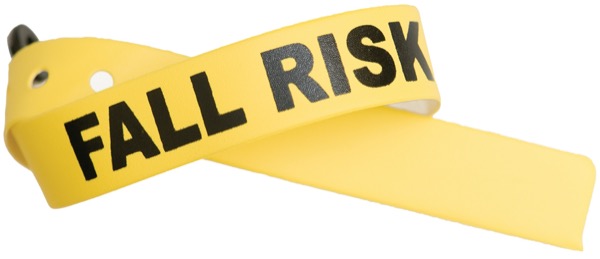
Given this motivation, the researchers created an intervention comprising a simple identification sign labeled “nerve block: fall risk,” which was placed outside of a patient’s room. The APM team kept the sign in place throughout the patient’s care, until they had recovered full motor and sensory function after block resolution and were no longer at risk for falls or injuries.

“But as long as that sign was up, all providers had an additional reminder that the patient had some deficits that need to be paid attention to,” Kwater told Anesthesiology News. “We wanted something that would grab people’s attention.”

The initial project was conducted for three consecutive months, during which relevant staff were educated about the initiative and its overall safety goals. At the end of the three months, the team distributed a follow-up survey that assessed improvement in knowledge and awareness of peripheral nerve block patients, as well as the overall effectiveness of the system.

At the 2025 annual spring meeting of the American Society of Regional Anesthesia and Pain Medicine (abstract 6695), the researchers reported that all participating staff unanimously agreed that the alert sign effectively facilitated awareness of peripheral nerve block patients and the need for vigilance regarding risk for falls or injuries. They also agreed that the sign was placed in a location that was easily visible to relevant providers.

“Our staff appreciated our efforts, which were paired with educational efforts to make sure they understood what we do in the perioperative sphere and how that translates to patient care afterwards,” he said.

Given the success of the pilot program, it has since been implemented as standard of care at MD Anderson, a step Kwater hopes will allow he and his colleagues to continue to provide the safest care possible.

“Of course every institution and its patients are going to be different,” he concluded. “But if regional anesthesiologists can ensure other providers have a good understanding of nerve blocks and their effect on patients’ overall functional ability in the postoperative period, it would go a long way toward preventing potential falls or injuries. And posting these signs is one way to help make that happen.”

Alan D. Kaye, MD, PhD, a professor and the vice chairman of research in the Department of Anesthesiology at LSU Health Shreveport School of Medicine, in Louisiana, praised the authors for both their results and the applicability of the research on local, regional and national levels.

“We are hopefully living in a world that is promoting common sense, and this study certainly reflects that strategy,” he noted.

“Falls after nerve blocks happen with regularity, not only in anesthesia but also in interventional pain,” said Kaye, a member of the Anesthesiology News editorial board. “Anything that can be done from a system perspective—such as putting up a sign, preferably in an unusual color so that people will see it—can make all the difference to nurses and other staff to minimize falls and bring attention to these patients.”

By Michael Vlessides


Kaye and Kwater reported no relevant financial disclosures. The abstract was honored with both Patient Safety and President’s Choice awards at the meeting.

Related Keywords