

×
ADVERTISEMENT

SEPTEMBER 12, 2024

High-Acuity TKA Patients Cost Health Systems More, Without Increased Revenue


Originally published by our sister publication Anesthesiology News

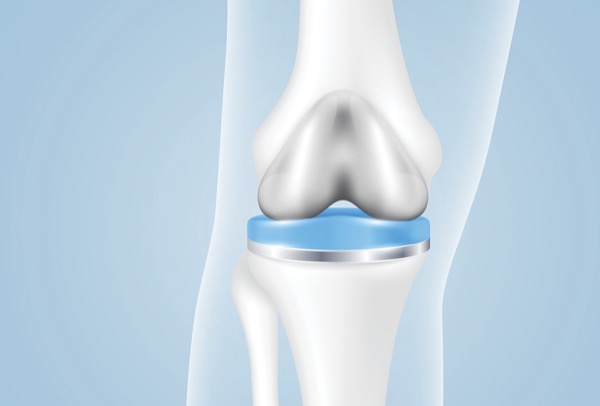
SAN FRANCISCO—Total knee arthroplasty patients with increased comorbidities may cost hospital systems more than their low-comorbidity counterparts, but these increased costs are not offset by higher institutional revenues, according to a new study.

Researchers at the NYU Langone Orthopedic Hospital speculated that the hospitals’ capacity to cover direct expenses might be hindered by this shortfall, a phenomenon they


Originally published by our sister publication Anesthesiology News

SAN FRANCISCO—Total knee arthroplasty patients with increased comorbidities may cost hospital systems more than their low-comorbidity counterparts, but these increased costs are not offset by higher institutional revenues, according to a new study.

Researchers at the NYU Langone Orthopedic Hospital speculated that the hospitals’ capacity to cover direct expenses might be hindered by this shortfall, a phenomenon they said could ultimately jeopardize high-risk patients’ access to TKA.

“Here at NYU, we treat many medically complex patients,” said Ran Schwarzkopf, MD, a professor of orthopedic surgery at the institution, in New York City. “We’ve found, however, that with optimization, these patients have outcomes that are almost equivalent to patients at low risk of medical complications. Nevertheless, there are some added direct costs of treating these patients.

“In an environment of decreasing hospital reimbursements, we wanted to compare hospital revenue, costs and 90-day postoperative outcomes of patients with and without a high-comorbidity profile,” he said. “We feel this is especially important as hospitals treat increasing numbers of TKA patients with high comorbidities.”

image

Schwarzkopf and his colleagues reviewed the records of 10,647 patients who underwent elective, unilateral TKA between 2012 and 2021, at the institution, and also had financial data available. Patients were stratified to the high-risk comorbidity group if their Charlson Comorbidity Index score exceeded 5 and if their ASA physical status class score was 3 or higher.

High-risk patients (n=1,186) and their non–high-risk counterparts (n=9,461) were propensity-matched on a 1:1 basis according to baseline characteristics, yielding a total of 768 patients in each group. The researchers then compared the perioperative data, revenue, costs and contribution margins of the inpatient episodes between groups, and also examined 90-day readmissions and revisions.

In a presentation at the 2024 annual meeting of the American Academy of Orthopaedic Surgeons, Schwarzkopf reported that direct costs were 12.5% higher (95% CI, 8.8%-16.2%; P<0.001) among high-comorbidity patients. Similarly, total costs were 15.6% more (95% CI, 11.6%-19.5%; P<0.001) in this patient group. Although a significant difference was not found between the groups for hospital revenue (–1.5%; 95% CI, –80% to 4.9%; P=0.638), the cost differences resulted in a significantly decreased contribution margin among high-risk patients (–19.9%; 95% CI, –34.9% to –4.9%; P=0.009).

“After seeing the decreased contribution margin in the high-risk patient group, we then tried to calculate the percentage of patients who would need to be classified in the higher acuity DRG [diagnosis-related group] to at least keep the contribution margin equal,” Schwarzkopf told Anesthesiology News. “We found that it was about 25%, which means that one-fourth of our patients have to get the higher DRG for TKA to still be fiscally viable in these patients without a decrease in the contribution margin.”

Perhaps not surprisingly, more high-risk patients also experienced hospital readmission within the first 90 days after surgery than non–high-risk patients (15 and seven, respectively; P=0.006). Reasons for readmissions included sepsis, surgical site infection, fracture, prosthetic joint infection, dehiscence, hematoma, mechanical failure, pain and nonsurgical site orthopedic complications. Hospital length of stay also was longer in the high-risk group (3.3 vs. 2.7 days; P<0.001). In contrast, no differences were found between groups in OR time or 90-day revision rates.

As Schwarzkopf discussed, the findings could significantly impede patient access to life-changing surgical procedures.

“Patients with high comorbidity burden are often not eligible to undergo surgery at an ASC [ambulatory surgery center]. But then they’re not approved for an inpatient procedure, which comes with greater compensation.

“As the contribution margin goes down and surgeons take low-comorbidity patients out to ASCs, hospital systems will be left with these high-comorbidity patients where they lose money because of increased costs and decreased reimbursements,” he noted. “Eventually, we may get to the point where hospitals decide they don’t want to perform hip and knee replacements, which will leave a huge number of patients without access to care. That’s a shame, because for most of these patients, these surgeries are life-changing.”

Yet as grim as these findings might appear, Schwarzkopf offered a simple solution.

“I think we need to define what comorbidity burden justifies the higher DRG for inpatient status. If we do that, then at least we’ll stay soluble.”

Eric Schwenk, MD, said the study offers data to support a concept that many anesthesiologists in acute care hospitals have observed for years: Inpatient TKA patients are getting sicker and have more medical comorbidities than ever.

“The Centers for Medicare & Medicaid Services, governing bodies and private insurers should pay attention to these findings because if this trend continues, fewer hospitals will have a desire to take on these medically complex total joint replacements and such patients will simply have nowhere to go if they want a joint replaced,” said Schwenk, the director of orthopedic anesthesia at the Sidney Kimmel Medical College of Thomas Jefferson University, in Philadelphia. “This could then lead to more emergency room visits or more medical complications resulting from inactivity and sedentary lifestyles.”

According to Schwenk, TKA cases still have a sufficient contribution margin to be scheduled by hospital systems, but that may change.

“If margins continue to shrink, even some acute care hospitals may have to tell surgeons to deny certain patients a total joint replacement.”

By Michael Vlessides


Schwarzkopf and Schwenk reported no relevant financial disclosures.

Related Keywords