×
ADVERTISEMENT

MARCH 31, 2026

4 Types of Burnout and Tips for Beating Them


Originally published by our sister publication Anesthesiology News

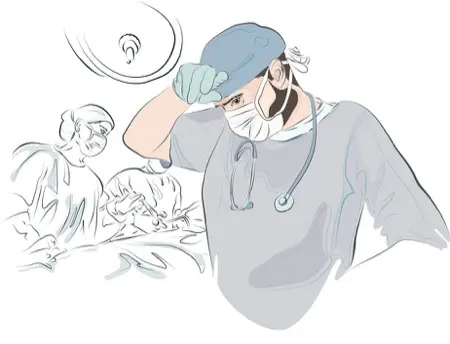
Burnout can be divided into four distinct categories, and understanding the nuances of each can help pharmacy leaders develop strategies to address this ongoing workplace challenge, a speaker said at the 2025 ASHP Pharmacy Futures meeting.

With some 28% of the global workforce very often reporting feelings of burnout (according to McKinsey & Co.; bit.ly/3WVuSVh), resulting in people being 2.3 times more likely to leave their



Originally published by our sister publication Anesthesiology News

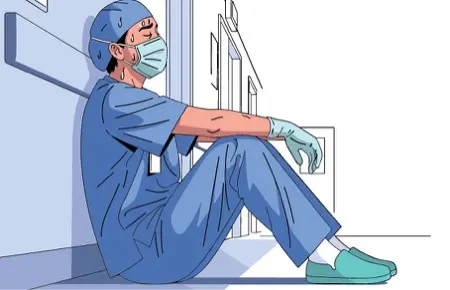
Burnout can be divided into four distinct categories, and understanding the nuances of each can help pharmacy leaders develop strategies to address this ongoing workplace challenge, a speaker said at the 2025 ASHP Pharmacy Futures meeting.

With some 28% of the global workforce very often reporting feelings of burnout (according to McKinsey & Co.; bit.ly/3WVuSVh), resulting in people being 2.3 times more likely to leave their jobs, it behooves physicians to recognize the signs of burnout, said Joshua Hammonds, PhD, an assistant professor of communications at Rollins College, in Winter Park, Florida.

“Not knowing where your burnout is coming from, or what’s bothering you, there’s no way to come up with a solution,” he said. “Identifying these dimensions and being able to pinpoint ways in which you might be able to recover or treat that burnout—not just for yourself but the people that you work with in your teams—that’s the only way we’re going to solve this.”

Here are the four main types of burnout:

Physical burnout

 physical X
© Nomsa – stock.adobe.com

This is the type of burnout most people think of, Hammonds said. A person may feel tired, need a nap or a day off, or be unable to feel energetic at work. A big contributor is too-frequent meetings that work against productivity and usually result in the need for a follow-up meeting. Back-to-back meetings lead to exhaustion, he explained: “Rest breaks must become part of the work.”

The solutions: Build breaks into your day. Think of what you would like to be doing more or less of during the day. Set boundaries: Come up with an acceptable response to politely decline a work task not tied to your role.

Mental burnout

 mental
© 4Max – stock.adobe.com

This happens when a person feels “checked out” from the office, Hammonds said. Their mind isn’t in the game, or they don’t feel they have meaning or purpose, or clarity on their roles—the main drivers that usually keeps people engaged, he said.

The solutions: Ensure teams are crystal clear on the mission and values of the employer. Emphasize what makes your workplace stand out. Make sure team members know their responsibilities. Put them in roles that challenge them to avoid boredom. For individuals, do some soul-searching to determine what you most love and can make a living doing. Enrich yourself with hobbies outside of work.

Attitude burnout

 attitude-[Converted]
© Darwin – stock.adobe.com

This form of burnout occurs when a person starts turning sour, cynical, or bitter about their situation and it affects their work. “I call this one the recognition problem,” Hammonds said. A person no longer feels seen as competent in their role. An employee may go from volunteering for assignments to becoming quiet. “People want to know that what they’re doing matters and that they’re good at what they do,” he said.

The solutions: Have conversations with your employees and ensure to highlight things they are doing well. Don’t limit this to annual reviews: Offer praise for specific actions when warranted, and respect whether someone would like that commendation publicly or privately. For individuals, think about what strengths you have that go unnoticed, what would need to happen for you to feel you are advancing, and what a growth plan would look like for you, and share these findings with your supervisor.

Skill burnout

 skill
© dayadesign– stock.adobe.com

The final type of burnout happens when a person believes they are no longer competent in their work. Hammonds said he sees this more in executives or leaders, who may feel they can’t catch up with the necessary skills to lead teams or departments. This is especially true of new managers, who often feel imposter syndrome, or seasoned leaders who may feel threatened by emerging technology, he said.

The solutions: Undertake a discovery process: Identify what skills you may be deficient in. Carve out time for a professional development course. If the person feeling inadequate is a direct report, give them the freedom and autonomy to hone their craft. For individuals, think of what skills you may be lacking, what support your organization could provide to help, and what true success would look like for you.

Kudos for an Important Message

Although many people say they’re burned out on burnout talks, Hammonds’ message goes much deeper, said Natasha Nicol, PharmD, the director of global patient safety affairs at Cardinal Health, in South Carolina.

“Dr. Hammonds echoed what many of us feel in that meetings often feel unproductive, work against creativity and efficiency, and don’t help in creating true connections with co-workers,” Nicol, who moderated the session, said. “Another point that resonated was the need for meaning: If you feel your organization or boss is not aligned with your values and passions, it’s really tough to feel fulfilled.”

By Karen Blum


Hammonds and Nicol reported no relevant financial disclosures.