

×
ADVERTISEMENT

DECEMBER 25, 2023

Patient-Reported Opioid Use Corresponds Closely With PDMP, but Gaps Leave Questions

FORT LAUDERDALE, Fla.—There is a very high level of agreement between patient-reported fulfillment of their opioid prescriptions and data contained in state-based prescription drug monitoring programs (PDMPs), but almost one in 10 patients report filling these prescriptions without PDMP verification, a new study has revealed.

Researchers said these findings demonstrate the need for caution when relying solely on patient-reported data, and emphasize the importance of corroborating
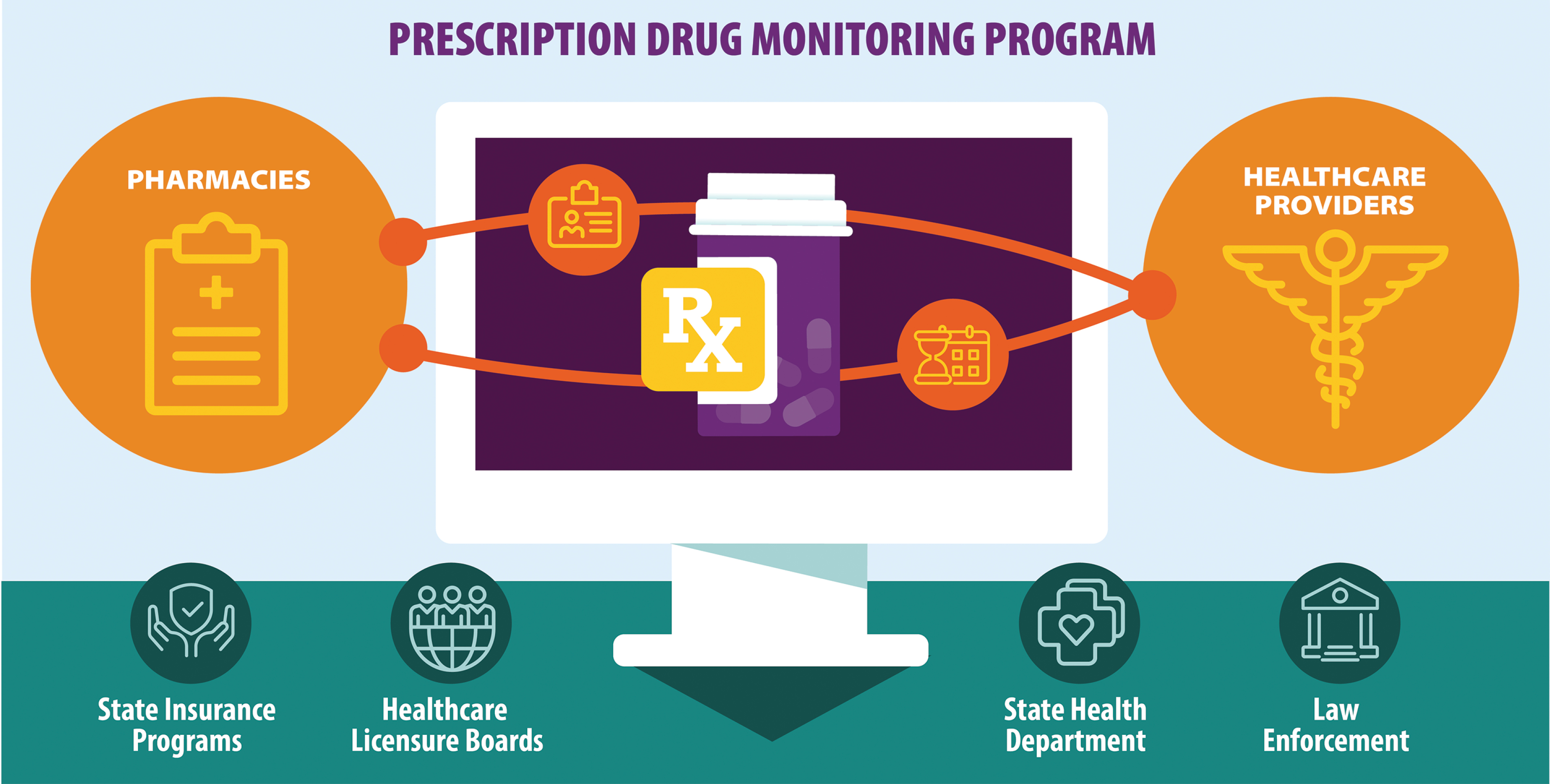

FORT LAUDERDALE, Fla.—There is a very high level of agreement between patient-reported fulfillment of their opioid prescriptions and data contained in state-based prescription drug monitoring programs (PDMPs), but almost one in 10 patients report filling these prescriptions without PDMP verification, a new study has revealed.

Researchers said these findings demonstrate the need for caution when relying solely on patient-reported data, and emphasize the importance of corroborating patient-reported data with other sources to ensure an accurate assessment of opioid use.

“As researchers, we wanted to better understand the accuracy and reliability of patient-reported data on opioid prescription fills,” said Siddartha Simha, MD, an anesthesiology resident at the University of Michigan, in Ann Arbor. “We knew that the PDMP provided valuable information, but we wondered if there were instances where patients reported opioid fulfillment that was missed by the PDMP.

“By cross-referencing patient-reported data with PDMP-verified data, “ he continued, “we aimed to uncover any discrepancies and gain a more comprehensive understanding of opioid use among our sample. Ultimately, our goal was to contribute to improving patient care by identifying potential gaps in prescription monitoring and developing strategies to ensure safe and appropriate opioid use.”

image

Simha and his colleagues identified an initial cohort of 49,975 patients in the Michigan Surgical Quality Collaborative who underwent surgery between Jan. 1, 2018, and Oct. 31, 2019. Of this group, 37,750 were excluded for a variety of reasons (primarily missing outcomes), leaving a final analysis cohort of 12,225 patients from 70 hospitals. The researchers then compared postoperative patient-reported outcomes with those of the PDMP’s reference standard regarding prescription opioid fulfillment in the first 30 days after surgery.

In a presentation at the 2023 annual meeting of the American Academy of Pain Medicine, Simha explained that agreement was found between patient-reported prescription opioid fulfillment and PDMP-verified prescription opioid fulfillment in 9,297 of 10,453 patients who said they had their prescriptions filled and 896 of 1,772 patients who said they did not fill their prescriptions (total: 10,193/12,225), yielding an overall accuracy of 83.2% (95% CI, 82.5%-83.9%). The sensitivity and specificity of the patient-reported records were 91.2% (95% CI, 90.6%-91.8%) and 43.1% (95% CI, 40.9%-45.3%).

“We see a very high level of agreement between what patients report and the data contained in the PMDP,” Simha noted. “The fact that more than 80% of patients accurately reported their prescription fills is encouraging, as it indicates a relatively high level of patient engagement and honesty in reporting their medication usage. Accurate patient reporting is crucial for healthcare providers to have a complete understanding of patients’ medication regimens and opioid use.”

In contrast, the researchers also found it notable that nearly one in 10 patients reported filling a prescription that was not listed in the PDMP, therefore indicating potential use of these agents without a record of it.

“When we wonder where the opioids came from, it could be that some patients obtained them before seeing a surgeon or from a doctor other than their surgeon,” Simha told Pain Medicine News. This finding, he added, raises an important question about the completeness of PDMP data in capturing all opioid prescriptions filled by patients, and highlights the need for caution and thorough investigation when relying solely on patient reports.

Nevertheless, the study can have important clinical implications, primarily because it offers better understanding of patient opioid use and potentially identifies alternative sources of opioids.

“The finding that 9.5% of patients reported prescription opioid fulfillment without PDMP verification indicates the possibility of patients obtaining opioids from other sources,” Simha said. “Healthcare providers can use this information to engage in conversations with patients about their complete medication history, assess the potential risks associated with multiple sources of opioids, and make informed decisions regarding pain management.”

Finally, the investigators said the findings highlight the importance of interdisciplinary communication between healthcare providers to collectively assess patients’ medication history, identify potential discrepancies or risks, and provide more coordinated and patient-centered care.

“The study highlights the value of patient-reported data as a complementary source of information to PDMP data,” Simha concluded. “Patient reports may provide insights into opioid use that are not captured by the PDMP, allowing for a more comprehensive understanding of patients’ medication usage. By cross-referencing patient-reported data with PDMP-verified data, the study sheds light on the potential limitations of relying solely on PDMP data for assessing opioid use.”

Lynn R. Kohan, MD, said the study represents important work in the field of pain medicine because knowledge regarding opioid use is as important in the perioperative setting as it is in the clinic.

“It is valuable to know the consistency between self-reported opioids use and the PDMP,” commented Kohan, a professor of anesthesiology and the division chief of the pain management center at the University of Virginia, in Charlottesville. “It was also reassuring to know that patients are self-reporting use of medications that were not reported on the PDMP. Given the number of patients having surgery, 9.5% is a significant number who self-reported use that was not on the PDMP.

“This has implications with respect to offering comprehensive treatment plans to patients,” she added.

—Michael Vlessides


Kohan and Simha reported no relevant financial disclosures.

Related Keywords