

×
ADVERTISEMENT

DECEMBER 11, 2023

Gabapentin May Help Reduce Opioid Use Following Colorectal Surgery

Integrating gabapentin into a postoperative pain management plan could help colorectal surgery patients use fewer opioids, according to a new study.

The study’s findings add to a body of work that has turned up contradictory results about whether the anticonvulsant could be an effective component of perioperative pain management. However, experts say the positive results of this study show that personalized postoperative pain regimens that reduce opioid use can improve bowel functioning
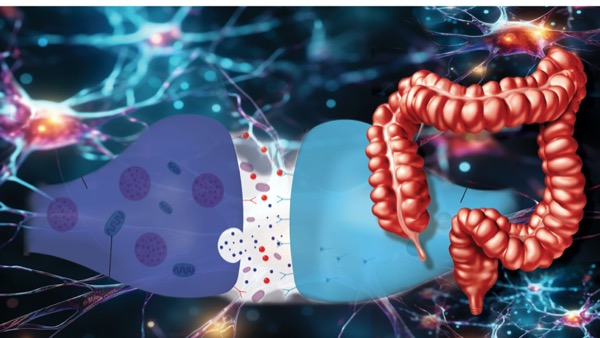

Integrating gabapentin into a postoperative pain management plan could help colorectal surgery patients use fewer opioids, according to a new study.

The study’s findings add to a body of work that has turned up contradictory results about whether the anticonvulsant could be an effective component of perioperative pain management. However, experts say the positive results of this study show that personalized postoperative pain regimens that reduce opioid use can improve bowel functioning and shorten hospital length of stay in addition to reducing the harms associated with opioids.

In the new study, researchers in Sweden evaluated a cohort of 842 patients and who had undergone colorectal surgery via laparoscopy or laparotomy over a four-year period. There were equal numbers of male and female patients and their average age was 65 years. The patients were offered a care bundle consisting of three opioid-sparing regimens in place of the hospital’s standard protocol of 10 mg of oxycodone and 5 mg of naloxone, both taken twice per day.

The first component of the care bundle was 300 mg of gabapentin twice on the day of surgery, followed by the same amount three times daily for up to postop day 10. (Patients 80 years of age and older and those who had reduced renal clearance received a lower dose.)

image

For the rescue analgesia component of the care bundle, instead of using opioids as the default during the hospital stay, the investigators offered patients a 75-mg dose of IV clonidine on demand for rescue pain. However, clonidine was not given to patients who had bradycardia or hypotension.

The third component of the care bundle gave patients the option to use an individualized opioid regimen of 5 mg of oxycodone on demand until they reported their current pain score as 4 or lower on a scale of 0 to 10.

In addition, patients were cared for with an established enhanced recovery after surgery program. They also perioperatively received 1 g of oral acetaminophen four times per day, unless contraindicated. Those who had open surgery received epidural analgesia for two to four days. Those who underwent laparoscopic procedures received spinal analgesia.

Once the patients were discharged, they continued on 1 g of oral acetaminophen four times per day and 300 mg of gabapentin three times daily for two weeks after surgery. They were also given 14 doses of short-acting 5-mg oxycodone and instructed to use it as rescue analgesia.

Analyzing Analgesia Choices

The team measured how much each patient used the interventions for five days after surgery.

The median hospital stay was five nights postoperatively, with about one-third of patients discharged before then. Opioid use decreased from 75 morphine milligram equivalents (MME) in 2016, the year before the study began, to 22 MME at the end of the study (z=7.125; P<0.001). The proportion of patients taking smaller amounts of opioids—45 MME or less—increased from 35% to 66% (chi squared=24.5; P<0.001).

Using gabapentin was associated with lower opioid use, as was older age. In contrast, clonidine use was associated with more opioid use. This is likely due to the fact that people who used the rescue analgesia were experiencing more pain, said Claes Gedda, MD, a PhD student at the Karolinska Institutet, in Stockholm, who led the research (JAMA Netw Open 2023;6[9]:e2332408).

Although the new findings supporting gabapentin use forpostoperative analgesia contradict some past research that found it has no effect, Dr. Gedda and his team specifically chose gabapentin for for this study because some colorectal surgeries, such as anal reconstruction, lead to neural pain.

He stressed the importance of exploring many different options to tailor a pain management regimen to individual patients. “Pain is an interplay between a lot of factors, and it changes between intervention and patient,” Dr. Gedda said. “You have to model your analgesia intervention based on what you have in front of you.”

Gabapentin ‘Not a Panacea’

Researchers have proposed dozens of multimodal regimens for pain treatment in an effort to resolve the opioid crisis. For patients who have undergone colorectal surgery, drastically reducing or even eliminating opioid use is an important part of recovery.

“Use of opioids can significantly prolong length of hospital stay, discomfort, time to bowel function and overall time to normalization,” said Vitaliy Poylin, MD, the director of the section of colorectal surgery at Northwestern Medicine, in Chicago, who was not involved in the new study. “The fewer opioids we use, the faster folks’ intestines come back to normal.”

Dr. Poylin said with any intervention, it’s vital to counsel patients on the amount of pain they can expect to have with any surgery. “Patients will take less medication if they understand it’s uncomfortable and their pain is not going to be zero. I communicate that my goal is to get them comfortable enough to get out of bed and get some rest, and everything will get better with time.”

Antje Barreveld, MD, the medical director of pain management services at Newton-Wellesley Hospital, in Newton, Mass., said additional research on gabapentin in postoperative pain care is welcome. “The data around gabapentin and postsurgical pain is very conflicted, and there were some studies that came out in the past where the data was not sound.” Dr. Barreveld was not involved with the new research.

While gabapentin may fill a niche for some patients, it “is not a panacea,” she added.

Gabapentin can cause some patients to act sedated or experience dizziness. It’s also not the right choice for some patients who have chronic kidney disease. Following a personalized protocol and adequately treating pain in individual patients is crucial, Dr. Barreveld said.

If gabapentin is used, it will likely work best if used in tandem with other pain relievers, including opioids for people who cannot manage their pain without them.

“One of the biggest concerns is that in the midst of the opioid crisis, we are undertreating pain,” Dr. Barreveld said. “We need to recognize opioids are not evil, and that treating acute pain can be critical in preventing chronic pain.”

—Kaitlin Sullivan


Barreveld reported a financial relationship with Lin Health. Gedda reported no relevant financial disclosures. Poylin reported a financial relationship with Intuitive.

Related Keywords