

×
ADVERTISEMENT

MARCH 11, 2024

California Governor Vetoes Low-Cost Naloxone Bill


Originally published by our sister publication Specialty Pharmacy Continuum


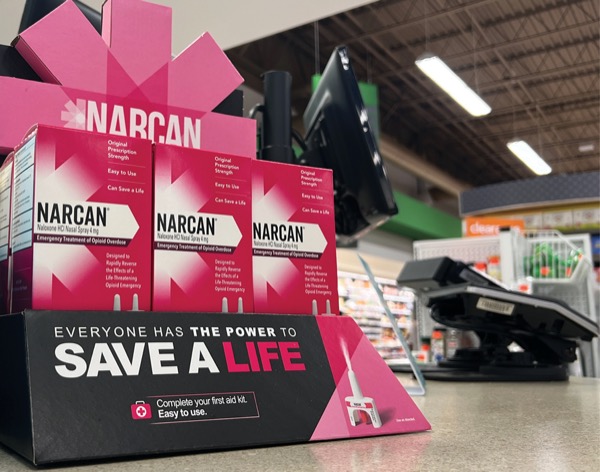
A bill that would require California insurers to cover the cost of over-the-counter (OTC) naloxone was vetoed by the state’s governor.

The California Department of Public Health recommends that opioid users and their loved ones carry naloxone, which is available OTC but remains out of reach for some patients. To address this issue, California state assembly member Liz Ortega introduced Bill 1060, which


Originally published by our sister publication Specialty Pharmacy Continuum


A bill that would require California insurers to cover the cost of over-the-counter (OTC) naloxone was vetoed by the state’s governor.

The California Department of Public Health recommends that opioid users and their loved ones carry naloxone, which is available OTC but remains out of reach for some patients. To address this issue, California state assembly member Liz Ortega introduced Bill 1060, which requires MediCal and private insurers to cover OTC naloxone. The bill passed unanimously, but Gov. Gavin Newsom refused to sign the bill.

“While I support providing access to opioid antagonists to individuals with opioid use disorder or other risk factors, this bill would exceed the state’s set of essential health benefits, which are established by the state’s benchmark plan under the provisions of the federal Affordable Care Act,” the governor wrote. “[The legislation] would not only increase ongoing state General Fund costs, but it would set a new precedent by adding requirements that exceed the benchmark plan.”

As a result of the veto, some Californians’ need for naloxone will continue unmet. “We’ve had patients not accept naloxone because the copay was too high,” said Clint Hopkins, PharmD, the owner of an independent community pharmacy, Pucci’s, in Sacramento. “Patients should be able to get naloxone either free or at a very low cost at all pharmacies.”

image

Furthermore, he explained, “having to go to a site like Harm Reduction Services is a burden on the patients and for some could be stigmatizing because they aren’t needing ‘harm reduction’; they are just taking pain meds post-op, or they might be taking them chronically but they don’t see themselves as appropriate to utilize harm reduction.”

MediCal already covers naloxone, so Californians who are covered by state insurance will have access to the opioid reversal agent. Had the bill been signed, all private insurers in the state would have been prohibited from selling a healthcare service plan, contract or insurance policy covering prescription drugs that imposes any cost-sharing requirements for naloxone coverage exceeding $10 per package of medication (cbsn.ws/3MHRmVf). Due to the governor’s veto, however, these safeguards will be unattainable for some people with private health insurance.

In an interview with the state news outlet CalMatters, Ms. Ortega responded to critics of Bill 1060’s price tag.

“I did the math, and [$9.2 million]—that’s about $17.4 million less than the $26 million that we’re spending on our healthcare system right now for all these overdoses and people going into the emergency room,” she said. “As legislators … we have to make a choice: Do we cut costs, or do we improve quality of life and save lives?”


Dr. Hopkins reported no relevant financial disclosures.nonbreaking space

Related Keywords