

×
ADVERTISEMENT

FEBRUARY 5, 2026

U.S. Withdrawal From WHO Goes Into Effect


Originally published by our sister publication Infectious Disease Special Edition

By Ethan Covey

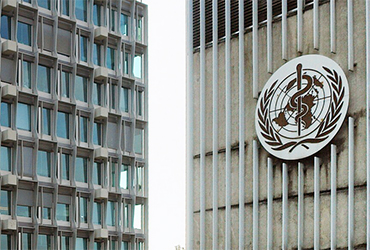
The United States officially withdrew from the WHO on Jan. 22, marking the end of a one-year notice period following an executive order signed by President Donald Trump in early 2025. The move ends nearly eight decades of U.S. membership in the global health body and has drawn renewed criticism from both global health leaders and infectious disease experts.


Originally published by our sister publication Infectious Disease Special Edition

The United States officially withdrew from the WHO on Jan. 22, marking the end of a one-year notice period following an executive order signed by President Donald Trump in early 2025. The move ends nearly eight decades of U.S. membership in the global health body and has drawn renewed criticism from both global health leaders and infectious disease experts.

Image
Source: © Yann Forget / Wikimedia Commons / CC-BY-SA


The Trump administration has framed the withdrawal as part of a broader effort to reduce U.S. participation in international organizations and prioritize domestic decision-making. Infectious Disease Special Edition reached out to the U.S. State Department for comment but had not heard back before publishing digitally.

A ‘Shortsighted’ Decision

Critics, however, warn that leaving the WHO will weaken global disease surveillance and reduce the country’s preparedness for future public health emergencies.

“The U.S. withdrawal from the WHO is a shortsighted and misguided abandonment of our global health commitments,” Ronald G. Nahass, MD, MHCM, the president of the Infectious Diseases Society of America, said in a statement. “Global cooperation and communication are critical to keep our own citizens protected because germs do not respect borders.”
Dr. Nahass highlighted the impact the withdrawal will have on influenza preparedness.

“By withdrawing from WHO, the U.S. will no longer participate in the Global Influenza Surveillance and Response System, the vital platform for monitoring flu cases and sharing data and viral samples used to develop yearly flu vaccines,” he said. “This will severely hamper efforts to match vaccines to circulating strains of flu.

“Withdrawing from the World Health Organization is scientifically reckless,” Dr. Nahass asserted. “It fails to acknowledge the fundamental natural history of infectious diseases. Global cooperation is not a luxury; it is a biological necessity.”

Stymieing Funding and Talent

Chris Beyrer, MD, the Hock Distinguished Professor of Global Health and director of the Duke Global Health Institute, in Durham, North Carolina, described the withdrawal as part of a broader disengagement from global health partnerships being conducted by the Trump administration. He noted that although the United States relies on agencies such as the FDA and CDC for regulatory oversight, the WHO’s role in providing normative guidance is critical for many low-resource countries.

“Arguably, WHO’s most important role in the field is normative guidance, providing guidance and approval for medications, vaccines, devices, and other health innovations,” Dr. Beyrer told IDSE. “For countries like the U.S., this has never been central, since we have had the strong regulatory infrastructure of the FDA, CDC, and the like. But for many lower-resource countries, this role is essential. By withdrawing, we not only reduce WHO’s donor base but also reduce U.S. scientists and researchers’ ability to engage in global health with these partner countries. That makes us all less prepared for the next pandemic, and it makes us less safe.”

The sources reported no relevant financial disclosures.