

×
ADVERTISEMENT

MAY 23, 2025

Telepharmacy Brings Home SUD Therapy


Originally published by our sister publication Pharmacy Practice News


By Heidi Splete


Home-based delivery of care for substance use disorder (SUD) is safe, effective and feasible for pharmacists to put into practice, according to experts at the ASHP Midyear 2024 Clinical Meeting & Exhibition, in New Orleans.

Expanding opportunities to use telemedicine for home management of SUD will extend the reach of limited SUD resources, Troy Moore, PharmD, MS, BCPP, a clinical pharmacist


Originally published by our sister publication Pharmacy Practice News


By Heidi Splete


Home-based delivery of care for substance use disorder (SUD) is safe, effective and feasible for pharmacists to put into practice, according to experts at the ASHP Midyear 2024 Clinical Meeting & Exhibition, in New Orleans.

Expanding opportunities to use telemedicine for home management of SUD will extend the reach of limited SUD resources, Troy Moore, PharmD, MS, BCPP, a clinical pharmacist practitioner and mental health clinical pharmacist practitioner supervisor at the VA Eastern Colorado Health System, in Aurora, told Pharmacy Practice News. “Telemedicine has opened doors to individuals who would not normally engage in care, or who may have gone through withdrawal symptoms on their own,” he said.

The use of telehealth for this application is not yet part of mainstream healthcare, the presenters said. However, the potential benefits of telemedicine—such as improving access to care in both rural and urban settings and making healthcare more affordable—lend themselves to SUD management.

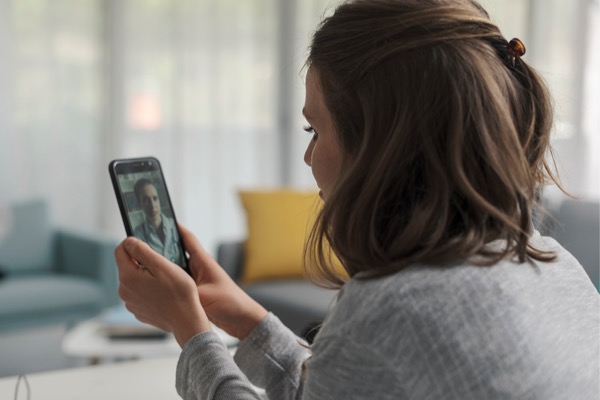
The COVID-19 pandemic left many patients with a preference for virtual care for SUD, the presenters said. Telemedicine for SUD can reduce stigma and overcome many other barriers to care, including time away from work and family obligations, transportation challenges, and accessibility to a provider.

image

Another effect of the pandemic was that pharmacists’ experience and comfort with telemedicine increased greatly. At the same time, the decreasing costs of remote technology and ability to reduce physical footprints such as office space have made telemedicine more practical and acceptable, the presenters emphasized.

The VHA Experience

Internal Veterans Health Administration (VHA) data for telemedicine or home management of opioid use disorder (OUD) have been largely positive, with similar success to office-based treatment initiation, and concerns over a possible spike in diversion of medications such as buprenorphine have not materialized in practice, Dr. Moore said. He and co-presenter Terri Jorgenson, RPH, BCPS, a national program manager for Clinical Pharmacy Practice Integration and Model Advancement with the Department of Veterans Affairs Pharmacy Benefits Management, Clinical Pharmacy Practice Office, shared their experiences with telemedicine for SUD care through the VHA.

The VHA developed a model to increase access to medications for opioid use disorder (MOUD) through telemedicine:

  • On day 0, the patient is screened for OUD and receives a diagnosis from a provider.
  • The clinical pharmacist practitioner (CPP) initiates the first doses of MOUD and follows up on days 2, 5 and 7.
  • The pharmacist then titrates the medication during days 7 to 30 and follows up with the patient every one to two weeks during this period, then follows up every one to three months after the first 30 days.

Since Congress lifted the X-waiver requirements for prescribing buprenorphine in 2022, pharmacists have assumed a greater role in treating OUD, and they have taken advantage of telehealth to do so, Dr. Moore noted. According to VHA internal data, 53% of CPP-prescribed buprenorphine prescriptions occurred via telehealth in 2023. Patients, meanwhile, have reported that being able to begin SUD treatment in the comfort of their own home increases their trust in providers, Dr. Moore said.

3 Keys to a Successful Outreach

Start each telemedicine visit by confirming the patient’s identity and reason for the visit. Next, review and collect information, conduct the assessment, schedule a follow-up, and perform documentation and billing.

Engage with the patient via your body language, eye contact and conversation, and be hands-free (don’t hold your phone).

Review privacy and safety concerns, and provide accommodations as needed such as translators, accessibility aids and captioning:

  • Survey the patient’s environment for safety, and ensure that your own surroundings are neat, professional and distraction-free.
  • After the visit, consider how to address any challenges that emerged, and whether the patient would benefit from an in-person visit.


Most patients are well versed with telemedicine platforms, he said. “Almost all of my patients greatly prefer telemedicine visits versus having to come into clinic for each appointment. Meeting patients where they are at is incredibly important, and telemedicine can help a clinician better provide patient-centered care and offer the flexibility for treatment.”

By contrast, pressure to come to a clinic for every visit may deter some individuals from participating in SUD treatment. “Changes to DEA [Drug Enforcement Administration] regulations surrounding controlled substance prescribing are also making telemedicine OUD treatment a long-term and permanent reality,” he said.

Although data have been positive for unobserved initiation of medication for OUD, more research is needed to examine treatment retention, medication adherence, illicit opioid abstinence and other drug use, Dr. Moore noted. “Studies of home-based management of alcohol use disorder and other substance use disorders beyond opioid use disorder would be helpful to the field,” he said.

Overcoming Barriers to Telemedicine

Unpublished data from providers in SUD groups suggest that patients are more likely to receive medication for alcohol use disorder or MOUD in inpatient or outpatient settings or emergency departments than in their homes via telemedicine, despite evidence to support this strategy, said Courtney J. Givens, PharmD, BCPP, the mental health and pain clinical pharmacy program manager at VA North Texas.

Persistent challenges for telemedicine include low reimbursement rates, conflicting rules and regulations across state lines, and a shortage of providers, the presenters said.

“Barriers to the use of telemedicine for SUD often include patients’ access to the necessary technology, patient and/or provider comfort with telemedicine modalities, and limitations imposed by prescribing policies,” said Dr. Givens, who moderated the ASHP session. Addressing these barriers involves improving access, educating patients and providers, and advocating for more telemedicine programs, she said.

The Department of Health and Human Services offers detailed guidance for providers on using telemedicine for SUD. Additionally, “many institutional programs are available to assist patients with access to high-speed internet, data plans and devices,” Dr. Givens told PPN. “Healthcare organizations also see an increase in telemedicine acceptance when brief orientations to telemedicine are provided to patients and providers to increase comfort with procedures and with the resources needed to complete telemedicine visits.”

However, she added, more advocacy is needed to inform policy decision-makers of the safety and benefits of telemedicine for SUD in order to increase its adoption.


The sources reported no relevant financial disclosures.