×
ADVERTISEMENT

DECEMBER 7, 2023

Minimally Invasive PNS May Be Important Part of Step-up Approach to Groin Pain Treatment

Updated 12/11/23


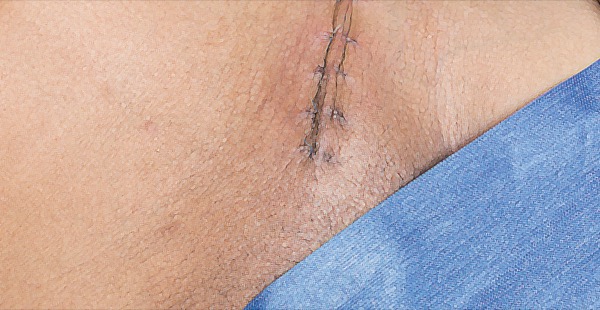
Peripheral nerve stimulation (PNS) can be an effective treatment for neuropathic pain after surgery or trauma to the groin.

While appendectomies and cesarean deliveries can cause sustained pain in the groin, chronic neuropathic groin pain is most commonly associated with herniorrhaphy.

An estimated 13.6% of patients experience chronic groin pain four months after hernia repair surgery. Of those, nearly 40% are diagnosed with neuropathic pain, studies have shown.

Percutaneous

Updated 12/11/23


Peripheral nerve stimulation (PNS) can be an effective treatment for neuropathic pain after surgery or trauma to the groin.

While appendectomies and cesarean deliveries can cause sustained pain in the groin, chronic neuropathic groin pain is most commonly associated with herniorrhaphy.

An estimated 13.6% of patients experience chronic groin pain four months after hernia repair surgery. Of those, nearly 40% are diagnosed with neuropathic pain, studies have shown.

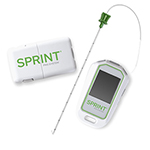
Percutaneous PNS is gaining recognition as an alternative treatment for localized nerve pain, for which common treatments include medication. The 60-day treatment can be an alternative to permanent stimulators in patients who do not respond to less invasive therapies.
Research presented at the 2023 annual conference of the American Society of Pain and Neuroscience used information from a national real-world patient database to investigate the effectiveness of 60-day treatment with PNS for patients with chronic neuropathic groin pain. All 168 patients underwent implantation of PNS leads that targeted the ilioinguinal, iliohypogastric or genitofemoral nerves. Just over 86% received the therapy to treat ilioinguinal nerve pain.

image

The research team considered both pain reduction, measured using the Brief Pain Inventory (Short Form), and changes in quality of life (QOL). At the end of the 60-day treatment, 75% reported at least a 50% reduction in pain or a clinically important improvement in QOL.

The average reported pain reduction was 69%, and 27% of patients reported their QOL as being “very much improved.” Another 30% said their QOL had been “much improved,” while 19% reported QOL as “minimally improved.” Only 1% reported their QOL being worse after treatment.

Temporary Treatment, Lasting Results

Acute post-herniorrhaphy pain is common and can usually be managed with over-the-counter analgesics. But chronic neuropathic groin pain that lasts longer than three months requires a stepped approach to treatment.

While PNS is a promising treatment, it is not a first resort, said Sepehr Rejai, MD, an interventional pain physician with Sutter Health in Berkeley, Calif., who led the research.

“On the spectrum of where you would place a PNS, the patient would have to have failed more conservative therapies, such as time and medications, or have intolerances to medications,” he said.

The pain management team also may try a targeted nerve block first to determine whether an anesthetic can relieve pain, at least for some time.

If that fails, PNS can be a step-down from permanently implanted neuromodulation devices.

The lead is placed using a minimally invasive procedure and remains in the body for 60 days while the patient receives treatment. At the end of those two months, many patients will experience permanent pain relief.

“The benefit is the patient doesn’t have to live with a permanent device or battery,” Rejai said. And “it can be a trial.”

If PNS does not provide lasting relief, having undergone the treatment does not exclude patients from receiving further treatment with other neuromodulators.

There are few exclusion criteria for PNS, but some do exist. Patients who have local infection or severe psychiatric illness or a comorbidity that would prevent them from managing a PNS device for the 60-day therapy period are not candidates.

An Adjunct to Surgery

It is also important that PNS not be used in cases where pain is being caused by something that requires another procedure, such as surgical mesh or a tack/suture pressing on the nerve. Some patients may require a neurectomy.

“We need to make sure we are not missing a primary diagnosis that needs an invasive treatment and trying to use a noninvasive treatment that puts a Band-Aid over something that has a potential cause that can be addressed,” said David Krpata, MD, the director of Cleveland Clinic’s Center for Chronic Groin Pain, who was not involved with the new research.

“We also may do a surgical intervention we think will help, but the patient doesn’t get full relief,” he added.

In these cases, PNS may act as an adjunct to surgical interventions if a patient has partial or no response.

“PNS options are certainly important because patients who have had a surgical intervention are sometimes trying to avoid another operation,” Krpata said. “You can do a step-up approach, increasing the risk profile as needed.”

—Kaitlin Sullivan


Rejei reported a financial relationship with SPR Therapeutics. Krpata reports no financial disclosures.