×
ADVERTISEMENT

SEPTEMBER 1, 2023

Seize the Moment: OTC Naloxone and The Impactful Anesthesiologist

By Bonnie Milas, MD

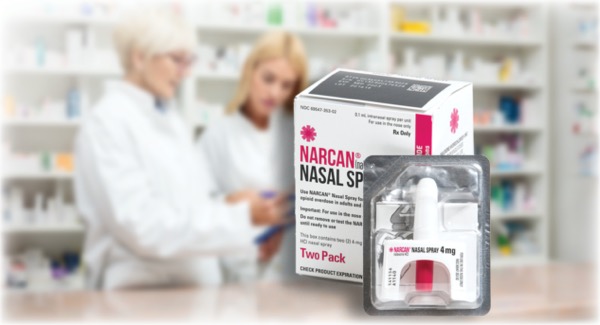
The FDA approved naloxone at the end of March as an over-the-counter (OTC) medication, vastly increasing our ability to tackle the opioid epidemic, save lives and improve public health. As a physician and mother who, unfortunately, has firsthand experience with the impact of the epidemic, and one who provided personal testimony to the FDA advisory panel hearing in February, I am gratified by the FDA’s decision.

Changing the status of naloxone to OTC is critically

By Bonnie Milas, MD

The FDA approved naloxone at the end of March as an over-the-counter (OTC) medication, vastly increasing our ability to tackle the opioid epidemic, save lives and improve public health. As a physician and mother who, unfortunately, has firsthand experience with the impact of the epidemic, and one who provided personal testimony to the FDA advisory panel hearing in February, I am gratified by the FDA’s decision.

Changing the status of naloxone to OTC is critically important for our nation plagued by mounting overdose deaths, and provides a vital opportunity for anesthesiologists to seize the moment. As physicians we evaluate, monitor and supervise patients before, during and after surgery to ensure optimal patient safety. However, most people don’t realize we also play a broader role, including directing intensive management of patients’ underlying medical conditions or any issues that arise during surgery.
We not only influence outcomes in the OR but also in the home and in public. As a specialty we have worked to elevate public awareness of our broader role, as well as our training and experience as medical doctors, ensuring the safest and best outcomes for all patients.×

Being an impactful anesthesiologist is using medical knowledge far beyond the OR. A wise instructing physician once told me if I could influence every patient I saw to wear their seat belt while driving, that I would have a great effect on their overall health. Promoting the use of naloxone is similar.

Having lost two adult sons to accidental fentanyl overdoses—with the personal experience of needing to rescue with naloxone and CPR in my home—I learned terrifyingly firsthand the critical need to have this medication nearby. While I ultimately lost my sons, naloxone gave me more time with them, and gave them more opportunities to find success. It’s time to make naloxone our current-day “seat belt” issue.

The FDA’s decision generated intense public interest and media coverage. Anesthesiologists are uniquely positioned to lead and meet the increased need for public education and engagement in addressing opioid overdoses. We are experts in opioid toxicity, naloxone and cardiac life support maneuvers. This information can easily be shared with our patients and takes very little effort. We treat children, pregnant women and the elderly at critical touch points when they are vulnerable and likely more receptive to these discussions. The information is basic but also lifesaving.

Having these educational discussions with patients is easier than you might think. I do it every day. “I see you have an opioid prescription at home. Have you ever considered having naloxone on hand? It can be purchased without a prescription at a local pharmacy or for free at your county health department.” This provides the opportunity to have a deeper exchange of information.

If their eyes start glazing over, or any mention of naloxone is met with a rebuff, then no harm done. Yet, if the response is, “We don’t have that problem in our home,” or “We don’t have any opioids,” remind them that we are all prone to exposure to opioids and overdose, whether at home or public spaces. Visiting relatives, teenagers’ friends or service personnel could bring opioids into the home, which they may use or could be accidentally ingested by a child. We do many things to protect those we love. Having naloxone on hand is commonsense injury prevention.

The American Society of Anesthesiologists (ASA) has long recognized the need for public education regarding opioid overdoses. With its support, I have been spearheading the ASA’s Committee on Trauma and Emergency Preparedness REVIVEme initiative. The effort is public-facing and provides patients access to education about how to recognize, respond to and rescue an overdose victim. There is also a slide set for ASA members inspired to teach at their institution or local area. Please share this information and website with your patients, neighbors and friends. The impact can be profound and helps solidify public perception of our comprehensive physician role.

×By the way, I was previously a nurse who intended to become a CRNA. In medical school, I realized that my nursing education didn’t provide vital medical knowledge that I learned as a physician in training. I have earned the title of anesthesiologist and use my expanded knowledge to better patients’ lives and outcomes. I openly encourage our ASA members to educate to reverse the trend of ever-increasing overdose deaths with naloxone and rescue measures.

For more information about the REVIVEme initiative, go to www.asahq.org/advocating-for-you/ reviveme.


Milas is a clinical professor of anesthesiology and critical care medicine at the University of Pennsylvania, in Philadelphia, and a member of the ASA’s Committee on Trauma and Emergency Preparedness.

Editor’s note: The views expressed in this commentary belong to the author and do not necessarily reflect those of the publication.

Related Keywords