

×
ADVERTISEMENT

NOVEMBER 26, 2024

Biosimilars: Expanding Options For Inflammatory Disease Treatment


Originally published by our sister publication Pharmacy Practice News

Laura Koppen, PharmD, BCPS
Clinical Assistant Professor, Drug Information Specialist
University of Illinois Chicago Retzky College of Pharmacy

Biologics are mainstays of treatment for many chronic inflammatory conditions.1 Unfortunately, these drugs often come with high price tags due to the significant costs associated with their development and manufacturing.2 In recent years, several biosimilar products have been developed,

Originally published by our sister publication Pharmacy Practice News

Laura Koppen, PharmD, BCPS
Clinical Assistant Professor, Drug Information Specialist
University of Illinois Chicago Retzky College of Pharmacy

Biologics are mainstays of treatment for many chronic inflammatory conditions.1 Unfortunately, these drugs often come with high price tags due to the significant costs associated with their development and manufacturing.2 In recent years, several biosimilar products have been developed, with the goal of increasing competition in the biologics market and reducing the cost of care.2,3

The Biosimilar Pathway

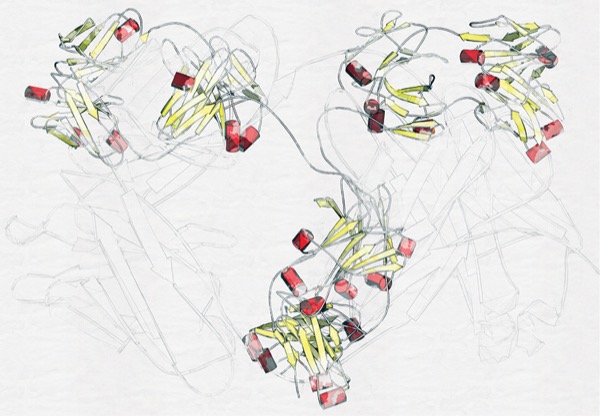
The FDA defines a biosimilar product as a biologic medication that is highly similar to and has no clinically meaningful differences from an existing FDA-approved biologic.1 Biosimilars are approved under an abbreviated licensure pathway created by the Biologics Price Competition and Innovation Act of 2009.4 The goal of development is to demonstrate biosimilarity between the proposed biosimilar and the reference product, rather than independently establishing efficacy and safety. Biosimilars are made with the same types of living sources as the reference product, and have the same strength, dosage, potential treatment benefits, and potential side effects. Although development of a biosimilar is typically faster than that of a reference biologic, it still requires a significant investment of time and resources.5 Although the molecule itself is already known, the manufacturing process for the reference product is not made public; therefore, biosimilar manufacturers must extensively analyze the reference product and reverse engineer it to create a product that is highly similar.

Once the biosimilar molecule has been produced, it must undergo a variety of tests to prove that it is similar to the reference biologic in terms of structure, function, efficacy, and safety.5 Several types of data are required to support the approval of a proposed biosimilar product.4,6 The FDA uses a “totality of evidence” approach to assess biosimilars and determine whether there are any clinically meaningful differences between a proposed biosimilar and its reference product.6 First, the proposed biosimilar must be extensively characterized via analytical studies and functional assays to demonstrate that its structure and function are comparable to that of the reference product. Animal studies also may be conducted to provide data on the toxicology or pharmacology of the proposed biosimilar.4 The type and number of human clinical studies required will depend on the nature and extent of residual uncertainty about biosimilarity after completion of analytical and animal studies.6 Comparative pharmacokinetic, pharmacodynamic, and clinical immunogenicity assessments in humans are typically required. Additional comparative clinical studies also may be necessary to demonstrate that the efficacy and safety of the proposed biosimilar are similar to that of the reference product. Biosimilar manufacturers typically do not need to perform comparative clinical studies for each reference product indication; rather, the data demonstrating clinical equivalence for one indication may be extrapolated—with adequate scientific justification—to allow the product to gain approval for additional reference product indications without direct clinical evidence.3,4

image

Although biosimilars are analogous to generics in some respects, they cannot be considered true generics because of the complexities inherent in the manufacturing process.1 Even when the biologic protein is produced with the identical sequence of amino acids, natural variations in glycosylation and protein folding can occur, making it impossible to create an exact copy.3,5 A certain amount of variation is expected within and between lots of biologics; because of this natural alteration, biosimilars cannot be considered “identical” to their reference products and therefore cannot be automatically substituted for the reference product without prescriber authorization.3,4,7 Biosimilar manufacturers may seek an additional “interchangeable” designation that would allow for substitution by a pharmacist without prescriber consultation, when permitted by state law.1 To achieve this designation, manufacturers must provide additional data to demonstrate that the proposed biosimilar is expected to produce the same clinical result as the reference product in any given patient, and that alternating or switching between the proposed biosimilar and the reference product is not expected to increase safety risks or diminish efficacy.4,8 This is typically demonstrated through 1 or more clinical “switching studies,” although a recent draft guidance from the FDA suggests that such studies may not be required if other data can sufficiently support the safety and efficacy of switching between products.8 The recently proposed Biosimilar Red Tape Elimination Act (S.2305) would eliminate the need for a separate interchangeability designation, allowing all biosimilars to be deemed interchangeable with the reference product upon approval.9

Biosimilars for Inflammatory Diseases

As of October 2024, 60 biosimilar medications have been approved by the FDA.10 Among these, 26 biosimilars have been approved for use in inflammatory diseases, representing 7 distinct reference products. Only 4 reference products (Actemra [tocilizumab, Genentech], Humira [adalimumab, AbbVie], Remicade [infliximab, Janssen], and Rituxan [rituximab, Genentech]) have biosimilars currently marketed in the United States (Tables 1 and 2). The first biosimilar to be approved by the FDA for use in inflammatory diseases was infliximab-dyyb (Inflectra, Pfizer), in April 2016. Although the first adalimumab biosimilar (adalimumab-atto; Amjevita, Amgen) was approved later that same year, adalimumab biosimilars encountered significant legal challenges that kept them from the market until 2023.3,10 The first biosimilar for rituximab (rituximab-abbs; Truxima, Teva) was initially approved in 2018, and the first biosimilar for tocilizumab (tocilizumab-bavi; Tofidence, Biogen) gained FDA approval in September 2023.10 Biosimilar products for etanercept, natalizumab, and ustekinumab also have been approved, but are not yet available in the United States due to patent disputes. The approved ustekinumab biosimilars (ustekinumab-aauz [Otulfi, Fresenius Kabi], ustekinumab-aekn [Selarsdi, Teva], ustekinumab-auub [Wezlana, Amgen], and ustekinumab-ttwe [Pyzchiva, Sandoz]) are anticipated to begin launching in early 2025, while the approved etanercept biosimilars (etanercept-szzs [Erelzi, Sandoz] and etanercept-ykro [Eticovo, Samsung Bioepis]) will not be available until 2029.10-12 Anticipated availability for the approved natalizumab biosimilar (natalizumab-sztn; Tyruko, Sandoz) is unknown.12

Table 1. Available Biosimilars for Inflammatory Diseases
Biosimilar nameApproval dateInterchangeable designation?Unbranded version available?Available presentationsStorage and administration considerations
Adalimumab biosimilars
Abrilada (adalimumab-afzb, Pfizer)November 2019YesNo
  • 20-mg/0.4-mL single-dose prefilled syringes
  • 40-mg/0.8-mL single-dose prefilled syringes and prefilled injection pens
  • SC injection
  • No suitable presentation for patients weighing <15 kg with JIA
  • Room temperature storage (up to 30°C): 30 d
  • Citrate-free
  • Latex-free
Amjevita (adalimumab-atto, Amgen)September 2016YesNo
  • 10-mg/0.2-mL single-dose prefilled syringes
  • 20-mg/0.2-mL single-dose prefilled syringes
  • 20-mg/0.4-mL single-dose prefilled syringes
  • 40-mg/0.4-mL single-dose prefilled syringes and prefilled autoinjectors
  • 40-mg/0.8-mL single-dose prefilled syringes and prefilled autoinjectors
  • 80-mg/0.8-mL single-dose prefilled autoinjectors
  • SC injection
  • Room temperature storage (up to 25°C): 14 d
  • Citrate-free
  • Latex-free
Cyltezo (adalimumab-adbm, Boehringer Ingelheim)August 2017YesYes
  • 10-mg/0.2-mL single-dose prefilled syringes
  • 20-mg/0.4-mL single-dose prefilled syringes
  • 40-mg/0.4-mL single-dose prefilled syringes and prefilled injection pens
  • 40-mg/0.8-mL single-dose prefilled syringes and prefilled injection pens
  • SC injection
  • Room temperature storage (up to 25°C): 14 d
  • Citrate-free
  • Latex present in needle caps of prefilled syringes and injection pens
Hadlima (adalimumab-bwwd, Organon)July 2019YesNo
  • 40-mg/0.4-mL single-dose prefilled syringes and prefilled autoinjectors
  • 40-mg/0.8-mL single-dose prefilled syringes and prefilled autoinjectors
  • SC injection
  • No suitable presentation for patients weighing <30 kg with JIA or patients weighing <40 kg with Crohn’s disease
  • Room temperature storage (up to 25°C): 14 d
  • 40-mg/0.4-mL concentration is citrate-free; 40-mg/0.8-mL concentration contains citrate
  • Latex-free
Hulio (adalimumab-fkjp, Biocon Biologics)July 2020NoYes
  • 20-mg/0.4-mL single-dose prefilled syringes
  • 40-mg/0.8-mL single-dose prefilled syringes and prefilled injection pens
  • SC injection
  • No suitable presentation for patients weighing <15 kg with JIA
  • Room temperature storage (up to 25°C): 14 d
  • Citrate-free
  • Latex-free
Hyrimoz (adalimumab-adaz, Sandoz)October 2018YesYes
  • 10-mg/0.1-mL single-dose prefilled syringes
  • 20-mg/0.2-mL single-dose prefilled syringes
  • 40-mg/0.4-mL single-dose prefilled syringes and prefilled injection pens
  • 80-mg/0.8-mL single-dose prefilled syringes and prefilled injection pens
  • SC injection
  • Room temperature storage (up to 25°C): 14 d
  • Presentations listed are citrate-free
  • Latex-free
Idacio (adalimumab-aacf, Fresenius Kabi)December 2022NoYes
  • 40-mg/0.8-mL single-dose prefilled syringes and prefilled injection pens
  • SC injection
  • No suitable presentation for patients weighing <30 kg with JIA or patients weighing <40 kg with Crohn’s disease
  • Room temperature storage (up to 25°C): 28 d
  • Citrate-free
  • Latex-free
Simlandi (adalimumab-ryvk, Teva)February 2024YesNo
  • 40-mg/0.4-mL single-dose prefilled autoinjectors
  • SC injection
  • No suitable presentation for patients weighing <30 kg with JIA or patients weighing <40 kg with Crohn’s disease
  • Room temperature storage (up to 25°C): 30 d
  • Citrate-free
  • Latex-free
Yuflyma (adalimumab-aaty, Celltrion USA)May 2023NoYes
  • 20-mg/0.2-mL single-dose prefilled syringes
  • 40-mg/0.4-mL single-dose prefilled syringes and prefilled autoinjectors
  • 80-mg/0.8-mL single-dose prefilled autoinjectors
  • SC injection
  • No suitable presentation for patients weighing <15 kg with JIA
  • Room temperature storage (up to 25°C): 31 d
  • Citrate-free
  • Latex-free
Yusimry (adalimumab-aqvh, Coherus BioSciences)December 2021NoNo
  • 40-mg/0.8-mL single-dose prefilled injection pens
  • SC injection
  • No suitable presentation for patients weighing <30 kg with JIA or patients weighing <40 kg with Crohn’s disease
  • Room temperature storage (up to 25°C): 14 d
  • Citrate-free
  • Latex-free
Infliximab biosimilarsa
Avsola (infliximab-axxq, Amgen)December 2019NoNo
  • 100-mg powder for injection in single-dose vials
  • IV infusion (begin within 3 h of reconstitution and dilution)
  • Room temperature storage of unopened vials (up to 30°C): 6 mo
Inflectra (infliximab-dyyb, Pfizer)bApril 2016NoNo
  • 100-mg powder for injection in single-dose vials
  • IV infusion (begin within 3 h of reconstitution and dilution)
  • Room temperature storage of unopened vials (up to 30°C): 6 mo
Renflexis (infliximab-abda, Organon)May 2017NoNo
  • 100-mg powder for injection in single-dose vials
  • IV infusion (begin within 4 h of reconstitution and dilution; if needed, diluted solution may be stored refrigerated for up to 34 d)
  • Room temperature storage of unopened vials (up to 30°C): 6 mo
Rituximab biosimilars
Riabni (rituximab-arrx, Amgen)December 2020NoNo
  • 100-mg/10-mL solution for injection in single-dose vials
  • 500-mg/50-mL solution for injection in single-dose vials
  • IV infusion (dilute prior to use)
  • Diluted solutions may be stored refrigerated for up to 7 d (if diluted in 0.9% sodium chloride) or up to 24 h (if diluted in dextrose 5%)
Ruxience (rituximab-pvvr, Pfizer)July 2019NoNo
  • 100-mg/10-mL solution for injection in single-dose vials
  • 500-mg/50-mL solution for injection in single-dose vials
  • IV infusion (dilute prior to use)
  • Diluted solutions may be stored refrigerated for up to 16 d (if diluted in 0.9% sodium chloride) or up to 24 h (if diluted in dextrose 5%)
Truxima (rituximab-abbs, Teva)November 2018NoNo
  • 100-mg/10-mL solution for injection in single-dose vials
  • 500-mg/50-mL solution for injection in single-dose vials
  • IV infusion (dilute prior to use)
  • Diluted solutions may be stored refrigerated for up to 24 h
Tocilizumab biosimilars
Tofidence (tocilizumab-bavi, Biogen)September 2023NoNo
  • 80-mg/4-mL solution for injection in single-dose vials
  • 200-mg/10-mL solution for injection in single-dose vials
  • 400-mg/20-mL solution for injection in single-dose vials
  • IV infusion (dilute prior to use)
  • Diluted solutions may be stored refrigerated for up to 24 h or room temperature for up to 12 h
Tyenne (tocilizumab-aazg, Fresenius Kabi)March 2024NoNo
  • 80-mg/4-mL solution for injection in single-dose vials
  • 200-mg/10-mL solution for injection in single-dose vials
  • 400-mg/20-mL solution for injection in single-dose vials
  • 162-mg/0.9-mL single-dose prefilled syringes and prefilled autoinjectors
  • IV infusion (vials; dilute prior to use) or SC injection (prefilled syringes and autoinjectors)
  • Diluted solutions for IV infusion may be stored refrigerated for up to 24 h or room temperature for up to 4 h
  • Prefilled syringes and autoinjectors may be stored at room temperature for up to 14 d
JIA, juvenile idiopathic arthritis; SC, subcutaneous.
a An unbranded version of the reference product infliximab is also available.
b Infliximab-dyyb is also separately approved as a reference product in an SC formulation (Zymfentra); this product is used in the maintenance treatment of ulcerative colitis and Crohn’s disease.
Based on references 10, 12, and 21-25.
Table 2. Labeled Indications for Reference Products And Biosimilars
Product nameRApJIAsJIAPsPsAASCDUCHSUV
Adalimumab products
Abrilada (adalimumab-afzb, Pfizer)XX XXXXXaXbXc
Amjevita (adalimumab-atto, Amgen)XX XXXXXaXbXc
Cyltezo (adalimumab-adbm, Boehringer Ingelheim)XX XXXXXaXbXc
Hadlima (adalimumab-bwwd, Organon)XX XXXXXaXbXc
Hulio (adalimumab-fkjp, Biocon Biologics)XX XXXXXaXbXc
Humira (reference adalimumab, AbbVie)XX XXXXXXX
Hyrimoz (adalimumab-adaz, Sandoz)XX XXXXXaXbXc
Idacio (adalimumab-aacf, Fresenius Kabi)XX XXXXXaXbXc
Simlandi (adalimumab-ryvk, Teva)XX XXXXXaXbXc
Yuflyma (adalimumab-aaty, Celltrion USA)XX XXXXXaXbXc
Yusimry (adalimumab-aqvh, Coherus BioSciences)XX XXXXXaXbXc
Infliximab products
Avsola (infliximab-axxq, Amgen)X  XXXXX  
Inflectra (infliximab-dyyb, Pfizer)X  XXXXX  
Remicade (reference infliximab, Janssen Biotech)X  XXXXX  
Renflexis (infliximab-abda, Organon)X  XXXXX  
Rituximab productsd
Riabni (rituximab-arrx, Amgen)X         
Rituxan (reference rituximab, Genentech)X         
Ruxience (rituximab-pvvr, Pfizer)X         
Truxima (rituximab-abbs, Teva)X         
Tocilizumab productse
Actemra (reference tocilizumab, Genentech)XXX       
Tofidence (tocilizumab-bavi, Biogen)XXX       
Tyenne (tocilizumab-aazg, Fresenius Kabi)XXX       
AS, ankylosing spondylitis; CD, Crohn’s disease; HS, hidradenitis suppurativa; pJIA, polyarticular juvenile idiopathic arthritis; Ps, psoriasis; PsA, psoriatic arthritis; RA, rheumatoid arthritis; sJIA, systemic juvenile idiopathic arthritis; UC, ulcerative colitis; UV, uveitis.
a Humira is indicated for UC in adults and pediatric patients aged =5 y. Biosimilar adalimumab products are only indicated for the treatment of UC in adults.
b Humira is indicated for HS in patients aged =12 y. Biosimilar adalimumab products are only indicated for the treatment of HS in adults.
c Humira is indicated for UV in adults and pediatric patients aged =2 y. Biosimilar adalimumab products are only indicated for the treatment of UV in adults.
d Rituxan is also indicated for adults with non-Hodgkin lymphoma; pediatric patients with mature B-cell non-Hodgkin lymphoma and mature B-cell acute leukemia; adults with chronic lymphocytic leukemia; adults and pediatric patients with granulomatosis with polyangiitis (Wegener’s granulomatosis) and microscopic polyangiitis; and adults with pemphigus vulgaris. Rituximab biosimilars are also indicated for adults with non-Hodgkin lymphoma, adults with chronic lymphocytic leukemia, and adults with granulomatosis with polyangiitis (Wegener’s granulomatosis) and microscopic polyangiitis.
e Actemra is also indicated for adults with giant cell arteritis; adults with systemic sclerosis–associated interstitial lung disease; adults and pediatric patients with cytokine release syndrome; and hospitalized adults with COVID-19. Tofidence is also indicated for adults with giant cell arteritis and hospitalized adults with COVID-19. Tyenne is also indicated for adults with giant cell arteritis.
Based on references 23 and 25.

Positions on Biosimilar Use In Inflammatory Diseases

Although biosimilars are not specifically addressed in many clinical practice guidelines, some US professional organizations have published statements or recommendations regarding biosimilar use in inflammatory diseases. The American College of Rheumatology (ACR) supports the use of biosimilars to reduce costs and increase patient access to biologics.13 However, ACR opposes the idea of insurer-mandated switching, and expresses potential concerns over frequent nonmedical switching. In the ankylosing spondylitis treatment guideline, ACR recommends against mandated switching to biosimilars, in the absence of interchangeability evidence, in patients who are already receiving a reference biologic, stating that medication changes could potentially destabilize the patient’s condition while offering only minimal cost savings.14 In patients with Crohn’s disease, the American College of Gastroenterology states that biosimilars for adalimumab and infliximab are effective treatments and can be used for de novo induction and maintenance therapy; however, data are insufficient to support switching patients with stable disease from one biosimilar to another of the same molecule.15 Guidelines on psoriasis from the American Academy of Dermatology and the National Psoriasis Foundation simply indicate that their recommendations for biologic use also apply to the corresponding biosimilar products.16

Overcoming Barriers to Biosimilar Availability and Uptake

Although more biosimilars are finally coming to market, several barriers to their widespread adoption remain. Lengthy legal disputes often delay biosimilar launches for years after initial approval, with some manufacturers employing “patent thickets” to prevent or delay competition from biosimilar products.2 The Affordable Prescriptions for Patients Act of 2023 (S.150), aimed at prohibiting this practice, was passed by the Senate.17 Another significant obstacle to biosimilar uptake is reimbursement, which is typically tied to the drug’s average sale price (ASP); biosimilars with a lower ASP will deliver lower reimbursements than the reference product with a higher ASP.2 Manufacturers of reference products also may offer rebates to pharmacy benefit managers who include their products on formulary, thereby incentivizing them to offer the reference product rather than the biosimilar. Efforts to address these issues have included modifications to reimbursement structures that incentivize biosimilar prescribing (eg, adding a fixed percentage to the ASP for biosimilar reimbursement). Ensuring that cost savings with biosimilars are adequately reflected in out-of-pocket costs for patients is also key to encouraging biosimilar use.18

Patient and prescriber beliefs regarding biosimilars can significantly affect biosimilar uptake.2 Patients and prescribers may have concerns related to the efficacy or safety of the biosimilar product, and may be reluctant to switch if the patient is stable on the reference product. Patients who have a negative perception of biosimilars may experience a “nocebo effect” if switched, leading to worse outcomes.2,5 The body of evidence on switching has grown in recent years, presenting additional reassurance that switching between reference products and biosimilars maintains safety and efficacy.19,20 Education for patients and prescribers, along with changes to policy and reimbursement structures, are key to encouraging biosimilar uptake and realizing the potential cost savings associated with them.


Dr. Koppen reported no relevant financial disclosures.

References

  1. FDA. Biosimilars: overview for health care professionals. Updated August 1, 2024. Accessed October 2, 2024. www.fda.gov/drugs/ biosimilars/ overview-health-care-professionals
  2. Semin Arthritis Rheum. 2022;52:151939.
  3. Curr Gastroenterol Rep. 2024;26(3):77-85.
  4. FDA. Biosimilars: review and approval. Updated December 13, 2022. Accessed October 2, 2024. www.fda.gov/drugs/ biosimilars/ review-and-approval
  5. Pharmaceuticals (Basel). 2024;17(2):235.
  6. FDA. Scientific considerations in demonstrating biosimilarity to a reference product: guidance for industry. Published April 2015. Accessed October 2, 2024. www.fda.gov/media/ 82647/ download
  7. Ducharme MP, Ozdin D. Clinical development and therapeutic equivalence of generic drugs and biosimilar products. In: Ducharme MP, Shargel L, eds. Shargel and Yu’s Applied Biopharmaceutics and Pharmacokinetics. 8th ed. McGraw Hill; 2022. Accessed October 2, 2024. accesspharmacy.mhmedical.com/content.aspx?sectionid=264444980&bookid=3127
  8. FDA. Considerations in demonstrating interchangeability with a reference product (update): draft guidance for industry. Published June 2024. Accessed October 2, 2024. www.fda.gov/media/ 179456/ download
  9. Jeremias S. Senator reintroduces Biosimilar Red Tape Elimination Act. American Journal of Managed Care, Center for Biosimilars. Published July 14, 2023. Accessed October 2, 2024. www.centerforbiosimilars.com/view/ senator-reintroduces-biosimilar-red-tape-elimination-act
  10. FDA. Biosimilar product information. Updated August 26, 2024. Accessed October 2, 2024. www.fda.gov/drugs/ biosimilars/ biosimilar-product-information
  11. Generics and Biosimilars Initiative. Etanercept biosimilars delayed until 2029 in US. Published January 14, 2022. Accessed October 2, 2024. www.gabionline.net/biosimilars/ news/ etanercept-biosimilars-delayed-until-2029-in-us
  12. Facts and Comparisons. Wolters Kluwer; 2024. Accessed October 2, 2024. fco.factsandcomparisons.com/
  13. American College of Rheumatology. American College of Rheumatology position statement on biosimilars. Published November 2022. Updated August 2024. Accessed October 2, 2024. assets.contentstack.io/v3/assets/bltee37abb6b278ab2c/bltf25f8abcefb66dbb/acr-position-statement-biosimilars.pdf
  14. Arthritis Rheumatol. 2019;71(10):1599-1613.
  15. Am J Gastroenterol. 2018;113(4):481-517.
  16. J Am Acad Dermatol. 2019;80(4):1029-1072.
  17. ASHP. Senate passes ASHP-supported generic and biosimilar bill. Published July 12, 2024. Accessed October 2, 2024. news.ashp.org/news/ashp-news/2024/07/12/senate-passes-ashp-supported-generic-and-biosimilar-bill
  18. JAMA Health Forum. 2024;5(3):e235429.
  19. Ther Innov Regul Sci. 2023;57(2):352-364.
  20. Drugs. 2021;81(16):1859-1879.
  21. FDA. Purple Book: database of licensed biological products. Accessed October 2, 2024. purplebooksearch.fda.gov/
  22. Clinical Pharmacology. Elsevier; 2024. Accessed October 2, 2024. www.clinicalkey.com/pharmacology/
  23. DailyMed. NIH National Library of Medicine; 2024. Accessed October 2, 2024. dailymed.nlm.nih.gov/dailymed/
  24. Adv Ther. 2024;41(5):1775-1794.
  25. Drugs@FDA: FDA-approved drugs. FDA; 2024. Accessed October 2, 2024. www.accessdata.fda.gov/scripts/ cder/ daf/ index.cfm

Copyright © 2024 McMahon Publishing, 545 West 45th Street, New York, NY 10036. Printed in the USA. All rights reserved, including the right of reproduction, in whole or in part, in any form.

Download to read this article in PDF document:
Biosimilars: Expanding Options For Inflammatory Disease Treatment

This article is in PDF format and it requires Abobe Reader. If you do not have Adobe Reader installed on your computer then please download and install from the link below.

Related Keywords