

×
ADVERTISEMENT

AUGUST 27, 2025

Machine Learning Effectively Models Pain After TKA

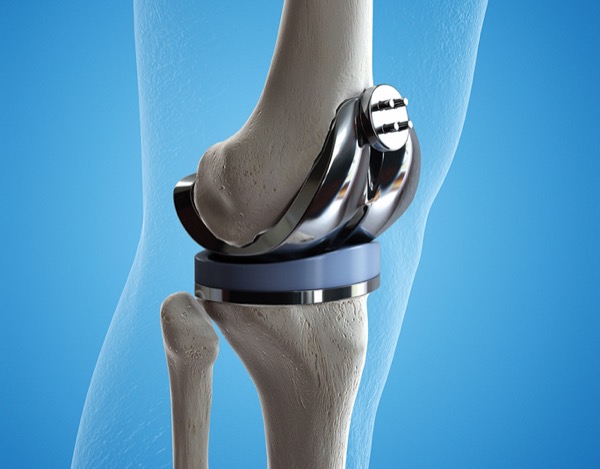
ORLANDO, Fla.—A machine learning algorithm modeled pain after total knee arthroplasty (TKA) with 61% accuracy, according to a study presented at the 2025 American Society of Regional Anesthesia and Pain Medicine Meeting (ASRA).

A retrospective, single-center study, conducted between April 1, 2021, and Oct. 31, 2024, included 17,200 patients from the Hospital for Special Surgery, in New York City (poster 6758). The study, which received an ASRA Best in Meeting Award, clustered patients into

ORLANDO, Fla.—A machine learning algorithm modeled pain after total knee arthroplasty (TKA) with 61% accuracy, according to a study presented at the 2025 American Society of Regional Anesthesia and Pain Medicine Meeting (ASRA).

A retrospective, single-center study, conducted between April 1, 2021, and Oct. 31, 2024, included 17,200 patients from the Hospital for Special Surgery, in New York City (poster 6758). The study, which received an ASRA Best in Meeting Award, clustered patients into two groups based on pain tolerance and reported that age, inpatient status, genicular block, operating room duration, body mass index, prior opioid or gabapentin use, and estimated blood loss (EBL) were “the most predictive factors.”

“Patients with higher BMI are more likely to develop osteoarthritis and take pain medications prior to surgery. Patients taking high amounts of preoperative opioids come into surgery with higher baseline pain and opioid tolerance, making it harder to control post-op pain. Other factors, such as younger age correlating with greater post-op pain, agree with other studies. EBL and genicular block get at confounding factors,” explained lead author Justin Chew, MD, PhD, a regional anesthesiology and acute pain medicine fellow at the Hospital for Special Surgery.

“The authors used known factors previously studied and associated with poorly controlled postoperative pain to inform their artificial intelligence algorithm,” said Rebecca Johnson, MD, the chair of the regional anesthesia and acute pain medicine committee for the American Society of Anesthesiologists, in Schaumburg, Ill., in discussing the study. “It should be noted this approach can’t tell the exact reason(s) these factors may be important. Also, the model can’t determine directionality the way other statistical analyses, such as linear models may.

“However, many of these factors make sense clinically. For example, prior opioid/gabapentin use usually indicates a patient with poorly controlled pain. Such patients might also experience poorly controlled pain after surgery,” observed Johnson, who thinks the study would benefit from longer patient pain recovery trajectories. Nevertheless, the study “shows potential to inform future predictive research and guide clinical practice.”

Chew concurred. “We were interested in looking at post-op pain in the immediate recovery period because poorly controlled post-op acute pain raises the risk of chronic pain, a phenomena pain medicine providers are familiar with,” he said. “It would be fantastic to examine how acute pain is managed in the post-op period and impacts chronic pain in these same patients.”

To pain medicine providers, Johnson said: “Machine learning can be a powerful tool with the right data and shows promise in revealing clinically meaningful relationships that impact how we practice medicine. It was validating to see pain predictive factors reflect our day-to-day clinical intuition. It was also surprising to see other factors end up being significant, such as inpatient status.

“However, the results will only be as good as the data put into the model,” she added. “Our classification accuracy suggests other predictive factors not accounted for, such as differences in surgical technique or baseline patient tolerance for pain. One person’s 7 out of 10 pain rating could be very different from another.”

—Sherree Geyer

Related Keywords