

×
ADVERTISEMENT

JUNE 13, 2023

CBD Oil Provides No Significant Benefit After Ureteroscopy Surgery

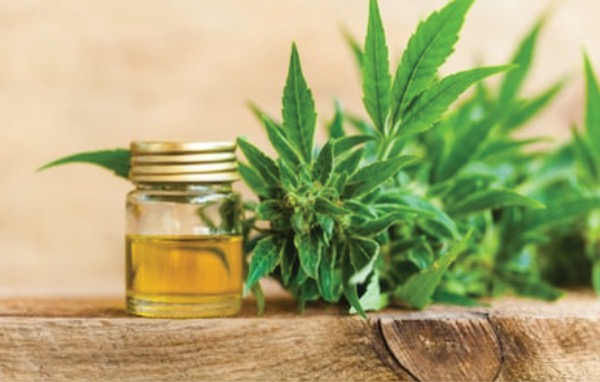
Cannabidiol oil proved safe but ineffective at reducing post–ureteroscopic stent discomfort and opioid use, according to a study described by the authors as the first of its kind.

The randomized, double-blind, placebo-controlled trial (J Urol 2023; 209[4]:726-733) analyzed 90 patients undergoing treatment for urinary stone disease at a tertiary care center between February 2021 and 2022. The two groups of patients received either a placebo or cannabidiol 20 mg daily for three days. All

Cannabidiol oil proved safe but ineffective at reducing post–ureteroscopic stent discomfort and opioid use, according to a study described by the authors as the first of its kind.

The randomized, double-blind, placebo-controlled trial (J Urol 2023; 209[4]:726-733) analyzed 90 patients undergoing treatment for urinary stone disease at a tertiary care center between February 2021 and 2022. The two groups of patients received either a placebo or cannabidiol 20 mg daily for three days. All patients received a rescue narcotic. They also self-reported pain severity.

The validated questionnaire found “no significant differences in maximum pain score on day 3 or other secondary outcome.” Medication adherence by both groups proved “excellent,” according to the researchers, who reported 90% adherence to the FDA-approved CBD trial medication.

“There has been a push, specifically within urology, to utilize alternative analgesic agents. CBD oil has been used in other urologic conditions with some success, but [was] never investigated in post-ureteroscopy pain,” said lead author Gopal Narang, MD, an assistant professor of urology at the University of North Carolina at Chapel Hill.

“Using the available literature, our study was powered to detect a moderate effect size difference at 80% power. However, for any randomized trial, when no difference is detected, we must consider that our study was underpowered. We encourage other researchers to repeat our study with a greater sample size,” he said.

Indeed, the authors suggested underpowered research. “When considering the maximum pain scores across the study period, the effect size may have been closer to 0.15 to 0.40,” they stated.

Other limitations to the study conclusions included low-dose CBD oil to minimize side effects; unmeasured metrics for “quality or speed of recovery” and “number of opioid pills consumed”; reasons the patients took rescue medications; and effect of combining CBD with tetrahydrocannabinol on endocannabinoid receptors. The authors called for more research to “understand the role of CBD oil in post-URS [uretal stent] setting.”

“Many patients ask about the utility of CBD oil in treating pain after surgery. Our study helps us counsel patients that CBD oil is safe but may not help their pain or discomfort in the short postoperative period,” Narang said.

“Future studies looking at higher doses of CBD, CBD/THC analogs or large sample sizes would help to see if CBD oil can be clinically effective for treatment of post-ureteroscopy pain” he said.

The study states that “stents cause discomfort and bothersome symptoms,” placing patients at risk for opioid misuse beyond the initial postoperative period.

“The reason for these findings may be that CBD oil simply does not work for ureteral stent discomfort,” said Joseph A. Vassalotti, MD, the chief medical officer at the National Kidney Foundation. “Available information from this study suggests that CBD oil at the dosage studied is generally safe but ineffective in treating ureteral stent symptoms. CBD oil should not be prescribed for ureteral stent symptoms, in general, until additional studies are conducted.

—Sherree Geyer


Narang and Vassalotti reported no relevant financial disclosures.

Related Keywords
surgery