

×
ADVERTISEMENT

MAY 10, 2024

Initiating MOUD While Incarcerated May Lead to Better Outcomes for Released Prisoners

Data indicate prisoners who are offered medications for opioid use disorder while incarcerated were more likely to stay on treatment once they were released.

“We know that the first two weeks after someone is released from incarceration is an incredibly dangerous period when the risk for fatal overdose can be 120 times higher than that of the general population,” said study author Ben Bovell-Ammon, MD, MPH, an assistant professor of medicine and healthcare delivery & population



Data indicate prisoners who are offered medications for opioid use disorder while incarcerated were more likely to stay on treatment once they were released.

“We know that the first two weeks after someone is released from incarceration is an incredibly dangerous period when the risk for fatal overdose can be 120 times higher than that of the general population,” said study author Ben Bovell-Ammon, MD, MPH, an assistant professor of medicine and healthcare delivery & population sciences at the University of Massachusetts Chan Medical School–Baystate, in Springfield. “This study showed in a powerful way that providing buprenorphine treatment during incarceration is the best way to ensure that patients receive this lifesaving treatment during the critical first few days and weeks of community reentry after release.”
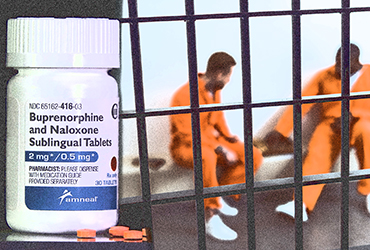
Researchers analyzed the outcomes of 15,225 individuals released from Massachusetts state prisons between January 2014 and November 2020, and the study’s findings reflect the impact of the April 2019 decision by the Massachusetts Department of Correction to provide buprenorphine for incarcerated individuals in the state (JAMA Netw Open 2024;7[3]:e242732).

At a 20-month follow-up after offering buprenorphine to prisoners when incarcerated, male patients had higher monthly rates of buprenorphine use (21.2%) than would have been expected had the treatment not been offered in prison (10.6%). Among female participants—at seven months after implementation—buprenorphine receipt was higher than expected (31.6% vs. 9.5%).

However, monthly naltrexone receipt was lower than expected (1.0% vs. 6.0%). The investigators noted rates of naltrexone use declined when buprenorphine became available to prisoners, although changes in naltrexone receipt were not statistically significant. They also reported that monthly rates of methadone receipt and opioid overdose were not significantly different than expected.

According to the investigators, monthly rates of methadone receipt (1.1%), opioid overdose (4.8%) and all-cause mortality (1.6%) were not significantly different than expected.

“The good news is that buprenorphine treatment increased much more than naltrexone decreased, so overall treatment increased,” Bovell-Ammon said. He concluded that “all carceral facilities should provide the standard of care in the treatment of opioid use disorder, which includes access to all three FDA-approved medications for opioid use disorder (methadone, buprenorphine and naltrexone), and facilitating linkage to ongoing treatment in the community upon release.”

—Myles Starr

Bovell-Ammon reported no relevant financial disclosures.


Related Keywords
MOUD   OUD