

×
ADVERTISEMENT

FEBRUARY 5, 2025

Cannabis Treatment for Chronic Pain Shows Improved Health-Related Quality of Life

Patients referred for medical cannabis use to treat anxiety disorders or severe chronic or intractable pain reported “rapid and significant improvements” in health-related quality of life (HRQOL) after three months.

Data reflecting the improvements were collected from a prospective, observational, longitudinal study of 399 participants between September 2020 and June 2023 (J Cannabis Res 2024;6[1]:36). HRQOL domains in the study include physical functioning; role limitations related
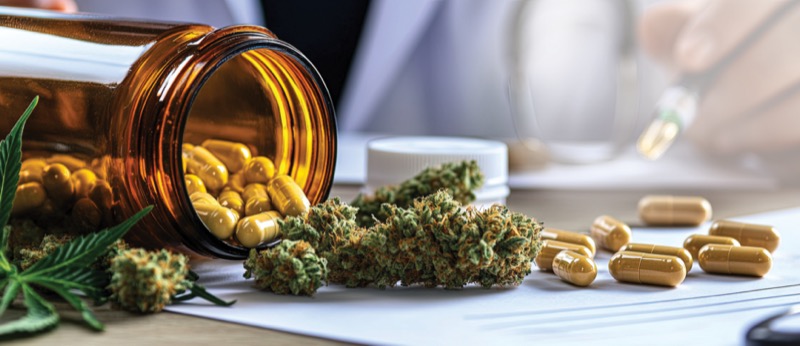

Patients referred for medical cannabis use to treat anxiety disorders or severe chronic or intractable pain reported “rapid and significant improvements” in health-related quality of life (HRQOL) after three months.

Data reflecting the improvements were collected from a prospective, observational, longitudinal study of 399 participants between September 2020 and June 2023 (J Cannabis Res 2024;6[1]:36). HRQOL domains in the study include physical functioning; role limitations related to physical health and emotional well-being; and role limitations related to emotional problems, social functioning energy, fatigue, bodily pain and general health.

“Little is known about the impact of medical marijuana products on qualifying medical conditions and individual functioning in other aspects of their lives,” explained lead author Michelle Lent, PhD, a professor of clinical psychology at the Philadelphia College of Osteopathic Medicine. “This study aims to capture change in a whole range of outcomes,” Lent said.

The study, which used paired t tests to measure HRQOL subscale scores, called baseline scores “a significant predictor” of change, with lower levels of change among those with higher baseline HRQOL. It also found that age “significantly predicted the observed degree of change” for older participants.

“The finding that age negatively predicted improvements in physical functioning and bodily pain may relate to the higher likelihood of older adults with age-related physical decline as well as pain from osteoarthritis or similar conditions,” Lent noted.

Samer Narouze, MD, PhD, the chairman at the Center for Pain Medicine at Case Western Reserve Hospital in Cuyahoga Falls, Ohio, said, “In this particular group of patients, age was significantly associated with improvements in function. This could be explained by elderly patients having many other physical limitations, including difficulty waking or moving.

“Overall, the effects of medical cannabis vary depending on specific conditions and age and hinge on methods used to measure outcomes. For example, other studies have reported an improvement in pain in older patients,” said Narouze, who is also the incoming chair of the American Society of Anesthesiologists Pain Medicine Committee.

Indeed, the study cites an HRQOL study of oral analgesics for chronic knee pain that yielded similar results at 13 weeks as medical marijuana at 12 weeks as well as a double-blind, placebo-controlled study of prescription medication vortioxetine for generalized anxiety disorder that “found similar gains in social functioning scores after eight weeks as we found in 12 weeks of medical marijuana use.” It recommends randomized controlled trials (RCTs) “to better understand effectiveness of medical marijuana on HRQOL.”

“RCTs would help to answer how medical marijuana compares to prescription pharmacologic interventions for pain. Patients living with chronic pain, and their providers, would greatly benefit from this knowledge when making decisions about treatment,” Lent said.

Narouze agreed: “The gold standard for studying causal relationships is a large RCT with a specific patient population for a specific condition. This is not easy to do with cannabis research.”

Limitations cited by the study include a mostly white, female population that prevented generalizability and overrepresented anxiety and pain disorders; an observational design that prohibited attribution of causality; and a high rate of recreational marijuana use that introduced biases and placebo effects. Future studies should evaluate reasons for medical marijuana use and adverse, unintended consequences for a longer period of time, the investigators noted.

Narouze believes “the best way to address these limitations is to have a large patient registry across a wide range of practices from multiple states. Medical cannabis may have a place in a multimodal approach for the treatment of chronic pain, if recommended by a well-educated and trained healthcare practitioner who understands the benefits and risks very well,” he said.

Lent cautioned, “Our study had an observational design, limiting any inferences regarding causality. At this time, the federal Schedule I designation of marijuana in the U.S. limits ability to conduct RCTs that systematically capture a range of potential adverse events and side effects and inform patient–provider discussions about incorporating medical marijuana use into treatment planning.”

—Sherree Geyer

Related Keywords