

×
ADVERTISEMENT

FEBRUARY 20, 2024

Pharmacists Optimize Telehealth Medication Management for Veterans


Originally published by our sister publication Specialty Pharmacy Continuum

By Gina Shaw

Incorporating mental health clinical pharmacist practitioners (CPPs) into a telehealth comprehensive medication management service for veterans in North Carolina and Virginia bolstered medication management, according to a study from investigators at a Veterans Health Administration hub in Charlotte, N.C. 
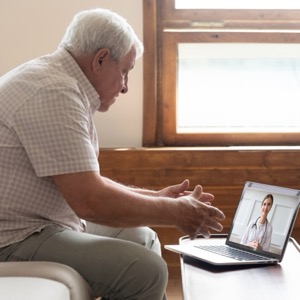
The CPPs significantly increased access to care at clinics with mental health prescriber staff


Originally published by our sister publication Specialty Pharmacy Continuum

By Gina Shaw

Incorporating mental health clinical pharmacist practitioners (CPPs) into a telehealth comprehensive medication management service for veterans in North Carolina and Virginia bolstered medication management, according to a study from investigators at a Veterans Health Administration hub in Charlotte, N.C. 

The CPPs significantly increased access to care at clinics with mental health prescriber staff shortages, decreasing phone appointments and increasing the percentage of video conference calls from 56% in 2021 to 91% in 2023, the researchers reported (J Am Coll Clin Pharm 2023 Dec 7. https://doi.org/10.1002/jac5.1905). 

“Virtual same-day access was implemented at three separate locations and the substance use disorder [SUD] program provided timely access to life-saving treatments,” wrote the authors, led by Courtney Goodman, PharmD.

Mental health CPPs serve as advanced practice providers, with a scope of practice that includes prescriptive authority for controlled substances. Although mental health CPPs are qualified to provide comprehensive medication management (CMM) services and expand care, the authors noted, many mental health interdisciplinary teams have not incorporated these clinicians or have not optimized their role.

The Veterans Integrated Services Network 6 Clinical Resource Hub-Telemental Health is a centralized interdisciplinary team that provides telemental health services to veterans through coordination with their local Veterans Health Administration Health Care Systems located in North Carolina and Virginia. The model uses CPPs to expand access to mental health care in the context of a nationwide shortage of mental health providers. Consisting of three mental health CPPs and one mental health CPP supervisor, the group supports 10 outpatient mental health clinics and completed 5,080 clinical encounters between October 2021 and March 2023.

The pharmacists captured interventions during each encounter using a tool called Pharmacists Achieve Results with Medications Documentations, an electronic intervention tracking template within the VA’s electronic health record. CPPs provided CMM to patients with a wide range of diagnoses, with the most common being post-traumatic stress disorder (PTSD), depression and anxiety. 

A small but growing number of states allow pharmacists to register with the Drug Enforcement Administration and obtain a license to prescribe controlled substances. “This significantly expands the ability of CPPs to practice mental health medication management,” said psychiatric pharmacist Farah Khorassani, PharmD, a health sciences associate clinical professor in the Department of Clinical Pharmacy Practice at the University of California, Irvine School of Pharmacy & Pharmaceutical Sciences. “Given the common diagnoses of PTSD, anxiety and depression, many of those likely were managed with controlled substances.”

Filling gaps in staffing by psychiatrists and other advanced mental health clinicians, the mental health CPPs were also integrated into an SUD clinic to provide on-site consultative and medication-assisted treatment services. During a period when psychiatrist coverage was extremely limited, CPPs partnered with service therapists to optimize veterans’ intake into the mental health clinic by the therapist providing diagnostic services and the CPP performing CMM during the same appointment.

“This project really shows how pharmacists practicing at the top of their license can … meet the needs of mental health patients, with a telehealth system and workflow that allowed them to offer same-day medication management to veterans in crisis,” Dr. Khorassani said. “Often, we think of mental health care as involving really complicated diagnostic cases and requiring mental health providers who are psychiatrists or advanced practice therapists, but in many cases there are patients who already have a diagnosis and just need follow-up, and some kind of medication management such as dosage adjustments. Pharmacists are the medication experts, and we can really work with these patients.”

Dr. Khorassani acknowledged that the study model is unique in certain elements. “The VA is able not only to use regional resources, but to pool their resources nationally and serve patients in different states,” she noted.

Unrestricted state license allows VA employees to practice and prescribe in any VA facility nationwide. “Nonetheless, this project demonstrates the ability of clinical pharmacists to step in and meet the medication management needs of mental health clients, particularly optimizing the use of telehealth.”

The project also offered PGY-2 psychiatric pharmacy residents the experience, knowledge and skill set to provide virtual outpatient mental health care through a virtual rotation design. Two PGY-2 residents completed the rotation under the supervision of a mental health CPP preceptor, with both reporting positive learning experiences.

Dr. Goodman reported that the contents do not represent the views of the Department of Veterans Affairs or the U.S. government, and that the material is the result of work supported with resources and the use of facilities at the Veterans Integrated Services Network 6 Clinical Resource Hub-Telemental Health, Charlotte, N.C. Dr. Khorassani reported no relevant financial disclosures.


Related Keywords