

×
ADVERTISEMENT

JANUARY 23, 2025

Another Reason to Ask Patients What Supplements They’re Taking: Hepatotoxicity


Originally published by our sister publication Gastroenterology & Endoscopy News

Around 15.6 million adults in the United States have taken at least one potentially hepatotoxic botanical in the past month, according to new research published in JAMA Network Open.

The botanicals—from ashwagandha to turmeric—have gained popularity through online advertisements and social media content that tout the herbals as treatments for gastrointestinal conditions, menopause and high

Originally published by our sister publication Gastroenterology & Endoscopy News

Around 15.6 million adults in the United States have taken at least one potentially hepatotoxic botanical in the past month, according to new research published in JAMA Network Open.

The botanicals—from ashwagandha to turmeric—have gained popularity through online advertisements and social media content that tout the herbals as treatments for gastrointestinal conditions, menopause and high cholesterol, the study’s lead researcher, Alisa Likhitsup, MD, MPH, a clinical assistant professor of medicine in the Division of Gastroenterology and Hepatology at the University of Michigan, in Ann Arbor, told Gastroenterology & Endoscopy News.

“For the past five years, we have seen a rise in cases of patients getting liver injury,” some even requiring liver transplant, Dr. Likhitsup said. “That brought our attention to the issue.”

“Generally, there are other reasons for the transplant, but it’s often a compounding factor that they were taking supplements as well,” she said. However, she added, some patients were healthy and a supplement ingestion appeared to be the only cause of liver injury.

image

Opening a Dialogue

The researchers used data from 9,685 adults who were part of the National Health and Nutrition Examination Survey (NHANES) to analyze prescription drug and herbal and dietary supplement use in 30-day spans, from July 1, 2023, to Feb. 1, 2024. The average age of the patients was 47 years (JAMA Netw Open 2024;7[8]:2425822).

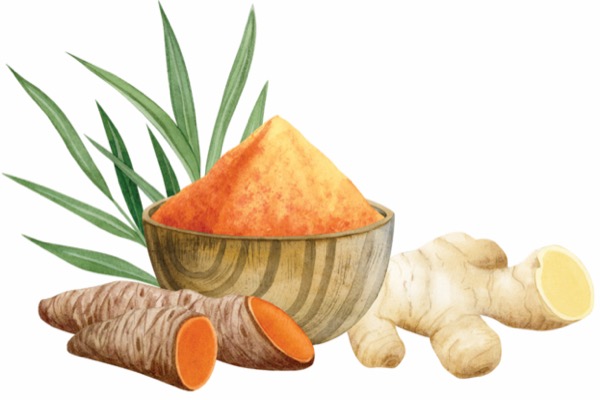
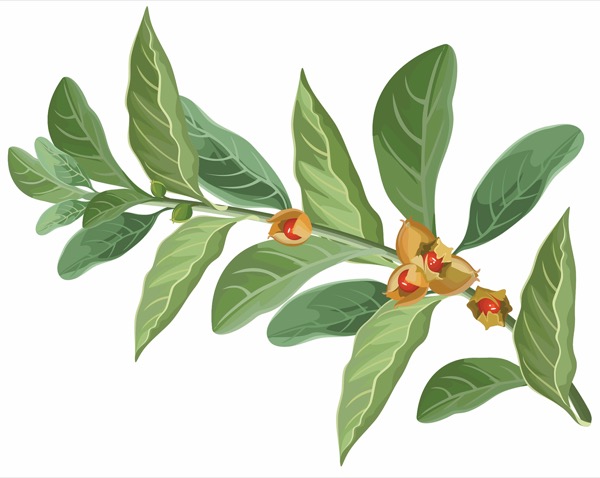
Overall, 5% of people reported taking one of six hepatotoxic botanicals the researchers evaluated. These patients were significantly older, more likely to be white, had a higher educational level and were more likely to have a chronic condition, particularly arthritis, diabetes and thyroid disorders. Turmeric was the most common botanical taken, followed by green tea, ashwagandha, Garcinia cambogia, red yeast rice and black cohosh.

The number of people who reported taking a potentially hepatotoxic botanical in the last 30 days is roughly the same number of patients prescribed potentially hepatotoxic drugs such as simvastatin and nonsteroidal anti-inflammatory drugs, the researchers noted.

Asking patients what supplements they are taking and why is important but often not done, said Elena Ivanina, DO, MPH, an integrative gastroenterologist and the founder of The Center for Integrative Gut Health and Gut Love, in New York City, who was not involved with the research. “Patients often do not disclose their vitamins and supplements to their provider for multiple reasons, including concern for being dismissed by their physician and also because providers do not ask,” she told Gastroenterology & Hepatology News.

Dr. Ivanina noted that some herbal supplements have been shown in studies to have health benefits. For example, curcumin, a compound in turmeric, has been shown to be an effective therapy for inflammatory bowel disease. A 2020 trial showed that patients taking highly bioavailable curcumin for 12 weeks had reduced IBD activity, with no adverse effects (J Crohn’s Colitis 2020;14[12]:1693-1701). A 2022 meta-analysis on curcumin in IBD found that multiple studies have concluded that curcumin has several cellular targets that effectively reduce the progression of IBD, although the mechanisms are not well understood (Front Pharmacol 2022;13:908077).

image

“Vitamins, herbs and supplements can be used safely with the supervision of a physician,” Dr. Ivanina said. “Being [actively involved in] your patient’s supplementation protocol to help guide them to make safe decisions is key.”

Mislabeled, Potent and Unregulated

One of the biggest problems any supplement poses is lack of FDA oversight to ensure products are what they purport to be.

A 2019 study that included 272 products that contained herbal or dietary supplements implicated in liver injury found that more than 50% contained chemical ingredients that did not match the label (Hepatol Commun 2019;3[6]:792-794).

“Herbs have historically been used as medicine, but now we have technology that is creating formulations that are more potent and mixed with other ingredients—and none of this is overseen by a regulatory body,” Dr. Ivanina said.

The botanicals’ liver toxicity likely has to do with the way the compounds are metabolized, Dr. Likhitsup said. However, “we don’t have the data to say that these are all [metabolized via] the same pathway. It could also be drug-to-drug interactions,” she said.

“For right now, we still believe the toxicity can be low in the majority of patients. But we don’t have enough data yet to tell in who or when they become toxic to the liver,” she noted.

There are some people who should always avoid any unnecessary medications or supplements, Dr. Likhitsup said. She said she advises physicians to counsel patients who already have liver disease or elevated liver enzymes about which supplements are hepatotoxic and should not be taken. “We need to be taking more caution, asking patients if they are taking these [supplements], and if there is liver injury, I would advise patients to stop taking them.”

—Kaitlin Sullivan


Drs. Ivanina and Likhitsup reported no relevant financial disclosures.