

×
ADVERTISEMENT

JANUARY 23, 2024

New Clinical Guideline for Treating Temporomandibular Disorder–Associated Pain

A recently released guideline recommends adult patients with temporomandibular disorder (TMD)-associated chronic pain should consider noninvasive/nonpharmacologic treatments before surgery or drugs.

“Our guideline found evidence that patients should first consider conservative therapies directed at optimizing coping and promoting movement and activity,” guideline author Jason W. Busse, MD, a professor of anesthesia and Michael G. DeGroote National Pain Centre faculty member at
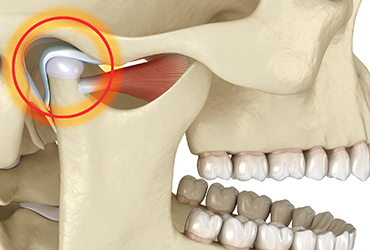

A recently released guideline recommends adult patients with temporomandibular disorder (TMD)-associated chronic pain should consider noninvasive/nonpharmacologic treatments before surgery or drugs.

“Our guideline found evidence that patients should first consider conservative therapies directed at optimizing coping and promoting movement and activity,” guideline author Jason W. Busse, MD, a professor of anesthesia and Michael G. DeGroote National Pain Centre faculty member at McMaster University, in Hamilton, Ontario, told Pain Medicine News.
Researchers compared the effectiveness of available therapies for TMD-associated chronic pain (BMJ 2023;383:e076227).

The recommendations were made in adherence with standards for trustworthy guidelines using the GRADE (Grading of Recommendations Assessment, Development and Evaluation) approach. Methodological support was provided by the MAGIC Evidence Ecosystem Foundation. The authors stated that the international guideline development panel formulated the recommendations from the patients’ perspective, rather than from the perspective of a population or health system.

According to the researchers, recommendations were based on a systematic review and network meta-analysis summarizing the current evidence for the benefits and harms of conservative, pharmacologic and invasive interventions for TMD-associated chronic pain.

Based on the evidence found, the researchers strongly recommended jaw exercise and stretching, cognitive behavioral therapy, postural exercise, trigger point therapy, and jaw mobilization. They made conditional recommendations in favor of acupuncture and cognitive behavioral therapy in conjunction with nonsteroidal anti-inflammatory drugs (NSAIDs).

The researchers made conditional recommendations against the following:

  • benzodiazepines
  • beta-blockers
  • Biofeedback
  • botulinum toxin injection
  • capsaicin cream
  • cartilage supplement with/without hyaluronic acid injection
  • gabapentin
  • hyaluronic acid injection
  • low-level laser therapy with/without co-interventions
  • NSAIDs with/without steroids
  • relaxation therapy
  • removable occlusal splints with/without co-interventions
  • steroid injections
  • transcutaneous electrical nerve stimulation
  • trigger point injections
  • ultrasound-guided arthrocentesis

“Patients should avoid surgical removal of the temporomandibular disc, irreversible oral splints or long-term opioids with NSAIDs, as the benefits are uncertain and they are associated with important harms,” Busse said.

The guideline explicitly advocates for clinicians to work with patients in a shared decision-making process to ensure that treatments reflect a patient’s values and preferences, acknowledge where prior therapy has failed or succeeded, and is sensitive to possible barriers to accessing care.

The guideline authors warned that most available interventions for chronic pain associated with TMDs are supported by evidence that lacks certainty, thus requiring further research and updates to the guidelines. “We plan to update our guideline in the next five years (sooner if practice-changing evidence emerges) to ensure that our recommendations remain consistent with current best evidence,” Busse concluded.

—Myles Starr

Busse reported no relevant financial disclosures.